REVIEW · BARI
Cesarine: Small group Pasta and Tiramisu class in Bari
Book on Viator →Operated by Cesarine: Cooking Class · Bookable on Viator
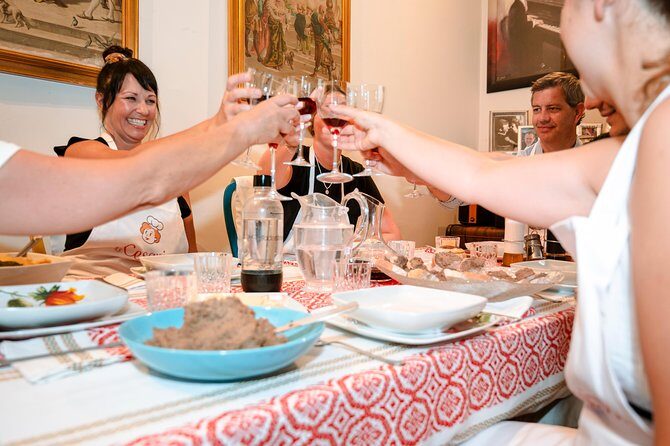
A real Bari home kitchen beats a restaurant night. This small-group Cesarine class puts you at a family-style table in Bari, where you start with an aperitivo and then make two pasta recipes plus tiramisù from scratch. It’s the kind of evening that turns cooking into a story you can taste.
I especially like the hands-on format: you’re rolling, stuffing, and assembling, not just watching. And I like the host-side care for the details—warm welcome, patient teaching (I’ve seen names like Juanita, Christiana, Fernanda, and Rosa pop up in this experience), and a meal that often includes more than the core pasta-and-tiramisu plan. One thing to consider: the exact home location can vary, so double-check the directions in your confirmation email if you’re trying to line everything up in central Bari.
In This Review
- Key Points to Know Before You Go
- Step Inside: How the Evening Actually Feels in Bari
- Meeting Your Host and Starting With Aperitivo
- In the Kitchen: Pasta From Scratch (Where You Do the Work)
- Getting the Sauces Right: Small Decisions, Big Results
- Tiramù Time: Learning the Technique Behind the Perfect Slice
- The Sit-Down Tasting: Eating What You Made (Together)
- Small Group Dynamics, English, and the Comfort Level Factor
- Price and Value: Is Around $120 Worth It?
- Logistics That Actually Matter in Bari
- Who Should Book This Cooking Class?
- Should You Book Cesarine Pasta and Tiramisu in Bari?
- FAQ
- What will I cook in this class?
- Is the class in English?
- How long does it take?
- Is it a small group?
- What happens at the beginning and end of the experience?
- Will I get recipes to take home?
- Where does the class start and end?
- How close is it to public transportation?
- What is the cancellation policy?
Key Points to Know Before You Go
- Small group, max 12 people: easier conversation, more hands-on time
- Real home kitchen setup: you learn in the way Italians cook at home, not in a demo studio
- Two pasta recipes plus sauces: you don’t leave with just one skill
- Tiramù technique tips: guidance focused on getting the texture right
- Aperitivo to sit-down tasting: you start with local flavor and end by eating your work
- Recipes to take home: multiple reviews mention leaving with the recipes for later
Step Inside: How the Evening Actually Feels in Bari
This is a shared cooking class that happens in a carefully chosen local home. The big idea is simple: you cook iconic Italian dishes with a home cook who knows Bari (and Puglia) food the way other people know their own language. You’re not chasing Michelin-star theory. You’re learning how meals really get made—ingredient by ingredient, habit by habit.
You’ll also feel the “family” side quickly. Reviews highlight hosts who are patient and welcoming, with teaching styles that fit different comfort levels in the kitchen. Names like Juanita and Christiana show up repeatedly, along with hosts who bring in family help at times (for example, a grandmother or mother joining to guide and serve). That matters because it turns a class into a night you remember, not just a thing you completed.
One more practical detail: the program is built around sanitary rules. You’ll find essential supplies in the home (things like paper towels and hand sanitizer). The class also asks for 1 meter distancing when possible, with masks and gloves if you can’t keep the space—so plan to follow the host’s lead and keep the evening comfortable for everyone.
Other pasta & cooking classes we've reviewed in Bari
Meeting Your Host and Starting With Aperitivo
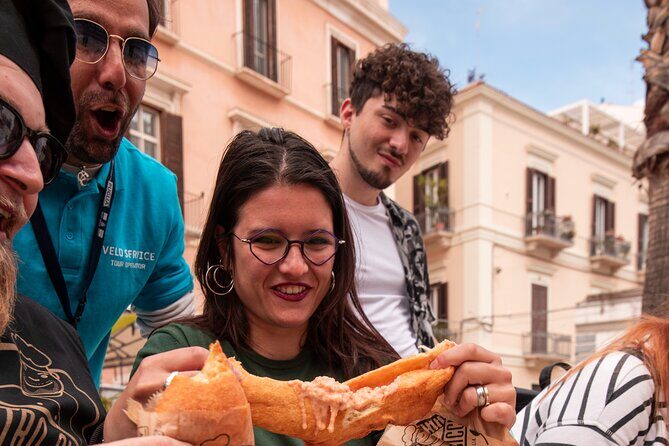
The class begins back at the meeting point and then you’ll head into the host’s home. Since the start location is in Bari and is near public transportation, you’re not required to rely on a car to make this work.
The first real “meal moment” is the aperitivo. In practice, that means you arrive and get into the rhythm right away—something to sip, small bites to start the appetite, and time to meet your host and your small group. Several reviews mention antipasto-style extras (meats, cheese, and other snacks) along with bread and wine, so you’re likely to feel fed from the start. That’s a good sign if you’re thinking about this as a full evening, not just a 3-hour workshop.
Tip for planning: arrive a little hungry and mentally flexible. Homes run on their own clock. If you’re coming straight from another activity in Bari, leave yourself buffer time so you can settle in and enjoy the warm-up instead of rushing.
In the Kitchen: Pasta From Scratch (Where You Do the Work)
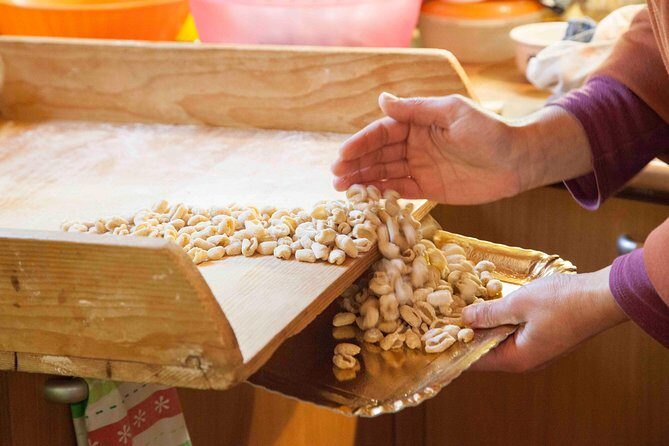
The core cooking part is making two separate pasta recipes and the traditional sauces that go with them. That’s the heart of why this class is so popular: fresh pasta isn’t hard because of mystery—it’s hard because it takes attention. Here, you get both.
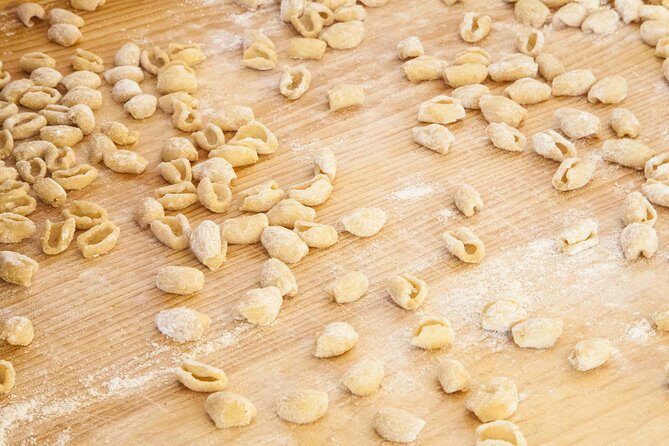
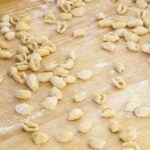
Most groups will focus on classic shapes from the region and Italy at large. Reviews specifically call out learning orecchiette and ravioli, taught hands-on with the help of the host and family members when they join in. Expect to handle dough, learn how to shape (not just how to cook), and pick up small technique cues that make a difference later at home.
Why this matters: store-bought pasta can taste fine, but it won’t teach you the rhythm of flour, water, rolling thickness, and shaping. After a class like this, you understand why certain pasta works with certain sauces. That’s the difference between eating Italian food and learning Italian food.
You’ll also get sauce-making guidance. The experience is described as making sauces from scratch, not just heating something up. In reviews, the tables often include more than just sauce—some hosts prepare extra items like zucchini frittata or bruschetta—so you may see the evening expand beyond the basic menu without the class feeling chaotic.
Getting the Sauces Right: Small Decisions, Big Results
Sauce is where you start to separate “I followed a recipe” from “I understand cooking.” The class format gives you a chance to see how Italians build flavor: practical steps, ingredient choices, and timing.
Even if you only remember one thing from this portion, it’s likely to be texture and balance. Pasta sauces in Italian homes often aim for cling, not drowning. That means learning when to adjust consistency and how to time the finish so the sauce and pasta are ready together.
A bonus from the home setting: hosts can explain choices in plain language. Reviews mention instructors being patient and engaging, including moments where they explain how to improve results even if your first attempts aren’t perfect. That patience shows up again and again in the ratings, with many comments praising hosts who are calm when you’re learning something new.
Tiramù Time: Learning the Technique Behind the Perfect Slice
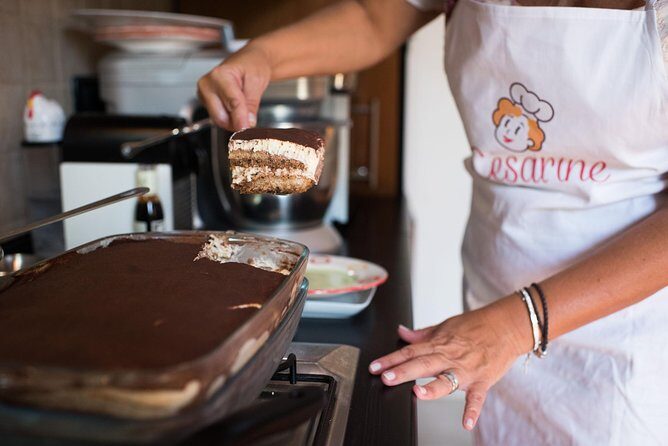
Then you shift to tiramisù. The class specifically emphasizes tips and techniques for getting it right. Since tiramisù is all about layering and texture, the biggest win is learning how to assemble without turning it into a soggy dessert.
You’ll likely focus on practical handling—how to work efficiently, how to build clean layers, and how to judge doneness by feel and look rather than guessing. The host’s guidance is the main value here. Even if you’ve made tiramisù before, a good instructor can fix the small problems that ruin the final bite.
Reviews repeatedly call the tiramisù delicious and highlight how instructors guide people through the process. More than one review notes a very traditional approach, which is exactly what you want from a Bari home class—familiar flavors, taught in the way locals actually do it.
A few more Bari tours and experiences worth a look



The Sit-Down Tasting: Eating What You Made (Together)
By the end, you sit down to taste the food you prepared. This is a major advantage over typical cooking demos: your meal isn’t a separate thing. It’s the payoff for your work.
What you eat can be more generous than you expect. Reviews mention plenty of food—courses starting with appetizers and continuing through pasta and dessert—and many describe the meal as one of the best they ate in Puglia. That lines up with the class design: aperitivo up front, active cooking in the middle, then the group meal to finish.
Also, because it’s max 12 travelers, you’re more likely to share table conversation with the other couples or solo travelers. Several reviews mention chatting and meeting new people during the meal, which can make the experience feel like a friendly evening rather than a classroom event.
If you’re a solo traveler, this is a good pick. The shared table format helps you connect without having to plan social stuff on your own.
Small Group Dynamics, English, and the Comfort Level Factor
This is offered in English, and it’s capped at a maximum of 12 travelers. That combination usually means you get enough time for questions and enough visibility for the host to check what you’re doing.
A lot of the five-star praise comes down to comfort. People mention feeling at ease in the home, being welcomed like family, and having hosts who are patient with different skill levels—something especially important when you’re making dough and assembling dessert.
If you’re an experienced cook, you’ll still benefit. You may already know the basics, but you can pick up regional habits: how the sauce gets built, how the host handles consistency, and how they explain shaping steps so they look right, not just taste right.
Price and Value: Is Around $120 Worth It?
At $119.48 per person for about 3 hours, you’re paying for more than ingredients. You’re paying for:
- a home-cooking setting (not a public classroom),
- hands-on instruction for both pasta and tiramisù,
- aperitivo and a sit-down tasting,
- and recipe take-home mentioned in reviews.
This can feel like real value compared with a standard dinner because you leave with skills you can use later. A restaurant gives you flavor. This gives you process—rolling, shaping, sauce timing, dessert assembly—and you get to eat it in the same night while it’s fresh.
The main “cost risk” isn’t the class price. It’s if your schedule requires extra transport or if your lodging is far from the home. One review described a mismatch in the expected location and added transport cost. The provider’s response said the home is about a 15-minute walk from the center of Bari and that directions are included. Net: most people should be fine, but confirm the address and travel time from your lodging before you lock your evening.
Logistics That Actually Matter in Bari
A few practical points that affect your comfort:
- Near public transportation: the meeting start is in Bari and near transit, so you can plan without a car.
- Mobile ticket: you’ll have it on your phone for easy check-in.
- Duration around 3 hours: build your evening like a true dinner commitment, not a quick snack.
- Confirmation at booking: expect details before you go.
If you’re staying in a very specific spot and timing matters, take 2 minutes to review your confirmation directions. If your accommodation is outside central Bari (or you’re coming from another town), check whether your route plan needs extra time. That’s the best way to avoid the one-off situation where transport becomes annoying.
Who Should Book This Cooking Class?
You’ll likely love it if you want:
- a real Bari home experience instead of a scripted tour,
- hands-on teaching (pasta dough and tiramisù assembly),
- and a small group meal where the host actually interacts.
It’s especially good for couples and small friend groups because you get cooking time and then shared dining time. It also works well for solo travelers thanks to the small-group table vibe.
You might skip it if you want a purely visual experience (like seeing lots of sights on foot). This is not a walking tour. It’s a kitchen experience.
Should You Book Cesarine Pasta and Tiramisu in Bari?
Yes, with a simple checklist.
Book it if you want an authentic-feeling Bari evening where you cook, learn, and eat together—especially if you’re curious about classic pasta shapes like orecchiette and ravioli and want clear guidance for tiramisù. The repeat praise for welcoming hosts and hands-on teaching makes it a strong bet.
Use your confirmation directions carefully. If you’re tight on time or you’re not staying in the center of Bari, plan extra buffer and double-check how to get to the specific home. That one step protects you from the small-location surprises that can happen with home-based experiences.
If that all sounds good, this is the kind of class that turns into your “best night” memory fast.
FAQ
What will I cook in this class?
You’ll prepare two pasta recipes and traditional sauces from scratch, plus make tiramisù.
Is the class in English?
Yes, the class is offered in English.
How long does it take?
It runs for about 3 hours.
Is it a small group?
Yes. The class has a maximum of 12 travelers.
What happens at the beginning and end of the experience?
You begin with an aperitivo and end with a tasting that includes what you made.
Will I get recipes to take home?
Multiple reviews mention being able to take the recipes with you.
Where does the class start and end?
It starts in Bari and ends back at the meeting point.
How close is it to public transportation?
The meeting point is near public transportation.
What is the cancellation policy?
You can cancel for a full refund up to 24 hours before the experience starts. Free cancellation is available, with changes inside 24 hours not accepted and refunds not issued after that window.