REVIEW · BARI
Bari: Home Cooking Class- Make Cavatelli & Capunti with Wine
Book on Viator →Operated by Curioseety SRLS · Bookable on Viator
A fresh pasta class in Bari hits different—hands-on and home-cooked. You get to learn shaping cavatelli and capunti the Puglian way, then sit down to a full regional meal with wine and dessert. The biggest watch-out is logistics: a few people found the meeting details confusing, and the class may not be right in the old-town core.
I like that this isn’t a demo. It’s small-group (up to 6), in a local home, with step-by-step guidance and the kind of relaxed, family-kitchen pace that makes you actually practice the dough. I also like that the food plan is generous—antipasto, two pasta courses from what you make, dessert, and wine. One possible drawback is that while recipes are supposed to be provided, some guests said they didn’t receive them when promised.
In This Review
- Key Things to Know Before You Go
- Making Cavatelli and Capunti in a Bari Home Kitchen
- The Meal Structure: Antipasto, Two Pasta Courses, Dessert
- Who You’re Cooking With: Cristina and Her Mother’s Nonna-Style Teaching
- From Bari’s Città Vecchia to the Home: Timing and Getting There
- Wine Pairing: Half a Bottle Each and How It Fits the Menu
- Price and Value: What $106.65 Covers
- What the 3 Hours 30 Minutes Feels Like
- Practical Tips for a Smooth Pasta-Making Evening
- Is This Bari Class for You? (And Who Might Skip It)
- Should You Book This Bari Home Cooking Class?
- FAQ
- How long is the cooking class?
- What is the group size?
- Is the class taught in English?
- What dessert options are included?
- Where do I meet for the experience?
- Is free cancellation available?
Key Things to Know Before You Go
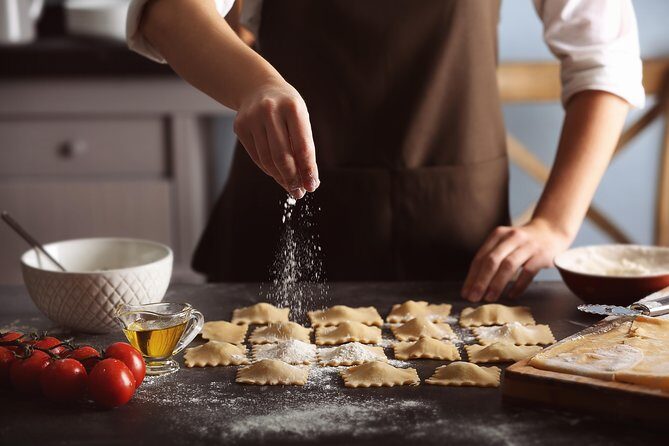
- Hands-on Puglian pasta shaping: You’ll make capunti and cavatelli, not just watch.
- A real meal, not a snack: antipasto, two pasta courses, then dessert.
- Wine at the table: local wine is included (half a bottle each participant).
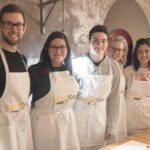
- Small group, home atmosphere: maximum 6 travelers, guided in a cozy kitchen.
- English is available: the experience is offered in English, with a casual, conversational flow.
- Location can be outside the center: some guests reported a short drive from the city core.
Making Cavatelli and Capunti in a Bari Home Kitchen
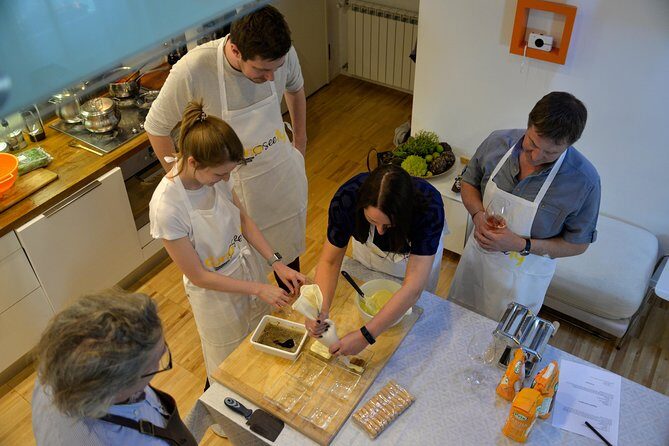
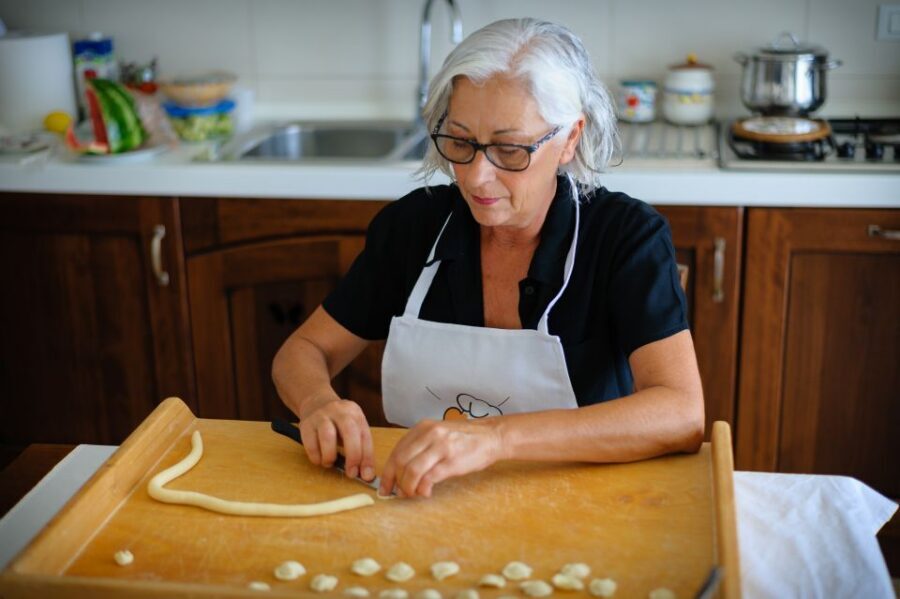
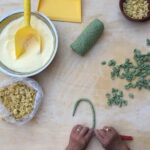
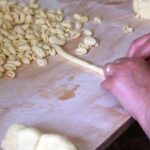
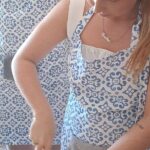
This is the kind of class that turns food into a skill. You’re learning Puglian pasta by doing the work: making dough, shaping it by hand, and picking up the little touches that make the texture right. If you’ve ever wondered why certain pasta shapes seem to hold sauce better, this is where you feel it.
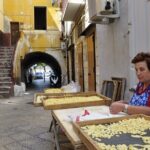
The star focus is cavatelli and capunti—both are classic forms from Puglia. The guidance is described as step-by-step, with hosts sharing family techniques. In the kind of kitchens where a nonna (grandmother) is involved, the lesson is usually practical: how the dough should feel, how to keep pieces the right size, and what to do when it starts to behave differently than you expected.
One detail to keep in mind: a couple of guest reports mention orecchiette alongside the main pastas. That could mean an extra pasta shape appears depending on timing and flow. Either way, you should expect a hands-on evening built around Apulian forms and sauces.
Other pasta & cooking classes we've reviewed in Bari
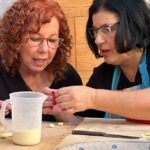
The Meal Structure: Antipasto, Two Pasta Courses, Dessert
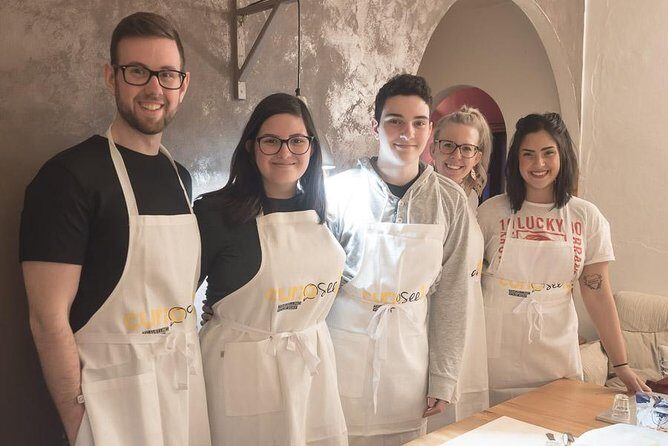
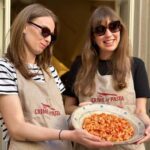
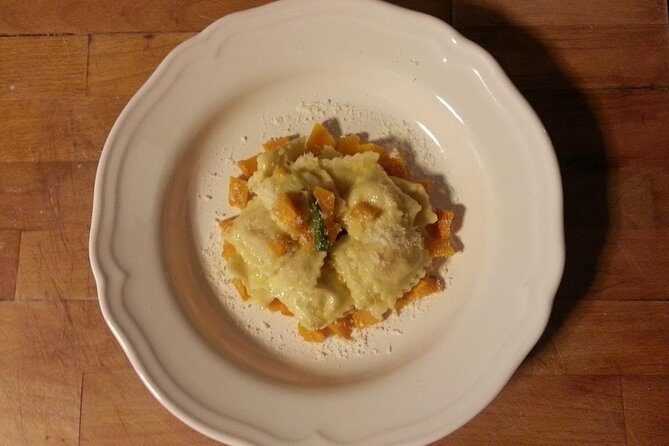
The class doesn’t stop when the dough stops. You end up eating a proper 3-course lunch or dinner, plus dessert. That matters because it keeps the evening balanced: you’re not only learning the process, you’re tasting the payoff while it’s still fresh and hot.
Here’s what you can expect from the table:
- Antipasto: a platter of local delicacies, including bruschetta.
- Two pasta courses: made from your fresh handiwork.
- Dessert: your choice between Sporcamuss (a Bari pastry) and Torta Pasticciotto (a Salento signature).
Dessert is also a big part of the emotional memory. People describe it as heavenly and memorable, and the hosts are clearly thinking about the full sequence—salty starters, satisfying pasta courses, then something sweet and local.
Also, don’t underestimate the value of eating what you make. When you shape cavatelli or capunti and then see how they hold sauce, you learn faster. You’re tasting technique in real time.
Who You’re Cooking With: Cristina and Her Mother’s Nonna-Style Teaching
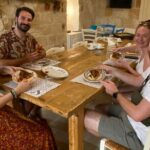
The heart of this experience is the home hosting. Guest feedback consistently points to Cristina/Cristiana as the teacher, with her mother (often described as a warm older presence) playing an important role. You get the sense that the kitchen runs on comfort and stories as much as it runs on timing.
What I like about this teaching style is that it fits real cooking. It’s not “strict class.” It’s closer to being welcomed into a family rhythm. One review even describes it like visiting Italian relatives you didn’t know you had, with conversation happening while the dough gets shaped.
The pacing is also important for your expectations. One guest noted the experience felt casual and fun, and the best part wasn’t just the food—it was the atmosphere and laughter. That can be exactly what you want after a day of sightseeing.
Tiny reality check: there are occasional mentions of scheduling miscommunication by the booking agent. If you’re sensitive to getting clear directions, I’d plan to message ahead if the meeting instructions are vague, and give yourself buffer time.
From Bari’s Città Vecchia to the Home: Timing and Getting There
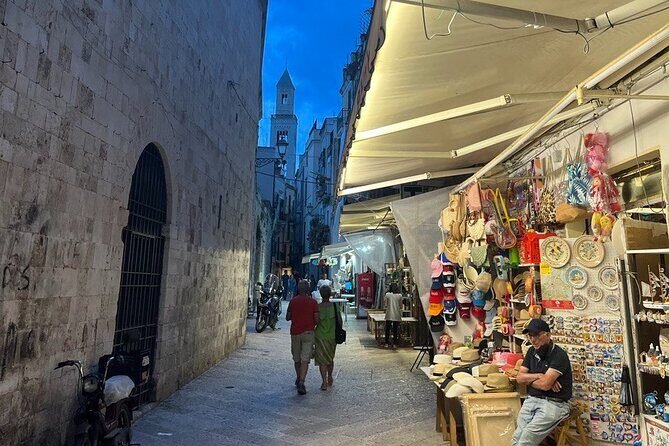
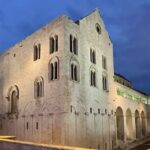
The experience includes a stop in Città Vecchia, Bari, but the actual cooking happens in a home. Here’s the practical takeaway: even if you love old-town Bari, you may end up a bit outside the densest tourist streets.
Some guests reported that the home wasn’t in the old town itself, and that it involved about a 20-minute drive from the city center. That doesn’t make the experience worse—it just means you should plan transportation and time.
If you’re staying near Bari Vecchia, I’d treat this class like a “go a bit out, then come back” evening. You’ll want comfortable walking shoes (just in case the start involves a short transition), and you’ll want to confirm where to meet using the provided address: Via Michele Mitolo, 23, 70124 Bari.
The class ends back at the meeting point, so you’re not stuck wondering how to get home after dessert and digestives.
Wine Pairing: Half a Bottle Each and How It Fits the Menu
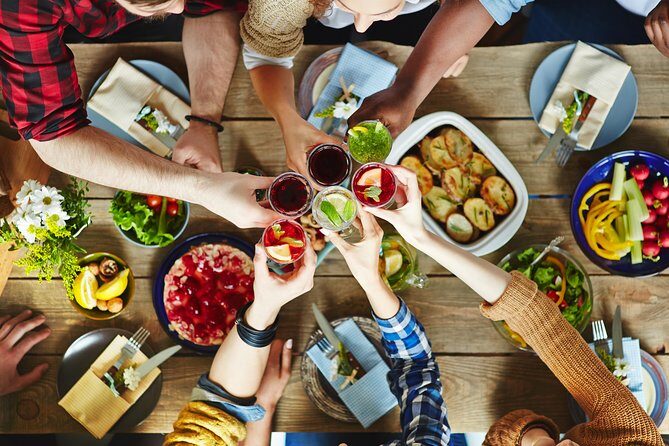
Food + local wine is part of the plan from start to finish. You’ll have local wine included—listed as half a bottle per participant—plus water.
What makes this feel like real Bari dining is that wine isn’t presented as a separate activity. It’s woven into the meal, so you taste sauces, then wine, then pasta again, in a natural rhythm. It’s also a social cue: once everyone’s at the table, the evening becomes about sharing the same plate of what you just made.
One guest mentioned digestives made from fennel, lemon, and tangerine. That detail isn’t clearly listed as included in the standard menu, but it’s the kind of extra hospitality you might encounter when hosts are generous with local traditions. Either way, you should expect the evening to feel like a full meal, not a quick tasting.
Other cooking classes in Bari
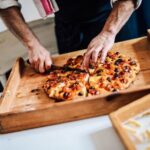
Price and Value: What $106.65 Covers
At $106.65 per person, you’re paying for more than “a cooking demonstration.” You’re getting:
- a hands-on class with instruments,
- a multi-course lunch or dinner,
- dessert,
- and wine (half a bottle each),
- plus recipes meant to help you recreate the dishes at home.
Is it cheap? No. But it isn’t overpriced for what you receive. Cooking classes are often hit-or-miss on value because you only get a small portion to eat. Here, the meal is built around your work, with antipasto and two pasta courses. That’s where the value lands.
Also, the small group size (maximum 6) is part of the pricing logic. In a crowded class, you can’t get much hands-on attention. In a small home kitchen, you’re more likely to actually learn the motions and get feedback.
My practical advice: if you enjoy food as a craft—not just as a souvenir—this is the kind of class where your money is going into instruction and a full table experience, not just into entertainment.
What the 3 Hours 30 Minutes Feels Like
The timing is listed as about 3 hours 30 minutes. In practice, that usually means:
- time to cook and shape pasta with guidance,
- time at the table eating what you made,
- and time for dessert and the final coffee moment.
One thing to watch: the evening is interactive, so it doesn’t feel like a museum visit. You’ll be working with hands-on steps, and you’ll likely move from dough to sauces to plating without long pauses.
This works best if you don’t plan tight connections right after. Give yourself space for finishing dinner properly and getting back to the meeting point.
Practical Tips for a Smooth Pasta-Making Evening
Here’s how to make your class easier from minute one:
- Confirm dietary needs in advance. The experience asks you to communicate dietary restrictions ahead of time. Don’t assume the host will guess your needs.
- Wear clothes you can move in. You’ll handle dough and kitchen tools. Comfortable and forgiving is best.
- Bring a small container only if leftovers are offered. Some guests report being able to take leftovers home, but it isn’t guaranteed in the standard details. If it happens, it’s a fun bonus.
- Plan for a possible drive. If you’re expecting a walk-only old-town experience, readjust your expectations. Some groups reported a 20-minute drive from the center.
- Be ready for a casual flow. Even with English offered, you might experience warm kitchen conversation in a mix of gestures and simple language. That’s usually part of the charm.
If you want to maximize learning, slow down and pay attention to how the dough behaves. The shapes are the visual lesson, but the feel of the dough is the real skill you’ll take home.
Is This Bari Class for You? (And Who Might Skip It)
This is a strong match if you want:
- a real home meal in Bari,
- hands-on practice shaping Puglian pasta,
- and a small group setting where you can ask questions.
It’s also ideal if you enjoy regional specifics—Bari pastries, Salento desserts, and local wines served with the meal.
You might consider a different option if:
- you need very rigid structure and ironclad clarity on meeting details,
- you get stressed by casual pacing or the possibility of a short drive,
- or you’re expecting a guaranteed take-home recipe delivery with no chance of delay (there are reports of recipes not arriving as promised).
Should You Book This Bari Home Cooking Class?
If your goal is to understand Bari through food—how pasta is shaped, how sauces work with those shapes, and how Italians actually host at the table—this class is a smart booking. The combination of hands-on pasta making, a full meal (antipasto plus two pasta courses), and included wine makes it feel like you’re paying for an evening, not just an activity.
My main reason to book is the format: small group, local home, and a menu that respects the work you just did. My main reason to be careful is the coordination. Send any questions ahead of time, double-check the meeting point address, and give yourself a little buffer.
If you want one evening that tastes like Puglia, this is the kind of booking that tends to become a trip highlight.
FAQ
How long is the cooking class?
The experience lasts about 3 hours 30 minutes.
What is the group size?
This class has a maximum of 6 travelers.
Is the class taught in English?
Yes, it’s offered in English.
What dessert options are included?
You can choose between Sporcamuss and Torta Pasticciotto.
Where do I meet for the experience?
The meeting point is Via Michele Mitolo, 23, 70124 Bari, Italy, and the activity ends back at the meeting point.
Is free cancellation available?
Yes. You can cancel for a full refund up to 24 hours in advance. The experience may also be canceled due to poor weather, with a different date offered or a full refund.