REVIEW · BARI
Bari: Pasta & Tiramisu Cooking Class at a Local’s Home
Book on GetYourGuide →Operated by Cesarine · Bookable on GetYourGuide
Fresh pasta in your hands beats any cooking show. In Bari, this pasta-and-tiramisu class has you learning from a local home cook in Apulia’s own kitchen, not a studio. I especially like that you work on hand-rolled sfoglia technique and then finish with tiramisu you can actually rebuild at home. One thing to consider: the class happens in a private home, and you only get the full address after booking.
I also love the “make it, eat it” flow. You cook two pasta types from scratch, share an Italian aperitivo with prosecco and nibbles, and then sit down to the meal you created with wines, water, and coffee. The possible drawback is simple: it’s not set up for wheelchair users, so mobility and getting to a residential address matter.
In This Review
- Key highlights at a glance
- Why Bari Pasta and Tiramisu Feels More Like a Night at Someone’s Table
- Cesarine Home Cooking: What That Network Actually Means for You
- Getting Matched and Finding the Right Kitchen in Bari
- Aperitivo First: Prosecco and Nibbles Before the Dough
- Rolling Sfoglia by Hand: The Skill That Makes Everything Else Click
- Two Pasta Types Plus the Sauce Logic You Can Repeat
- Tiramisu Training: How to Build the Dessert Layer by Layer
- Sipping Wine and Eating What You Made
- Price and Time: Is $112.15 Worth It?
- Who Should Book This Bari Class (and Who Might Think Twice)
- My Booking Advice: Make It Smooth, Make It Personal
- Should You Book This Bari Pasta and Tiramisu Class?
- FAQ
- FAQ
- Where does the class take place?
- What will I learn to cook?
- How long is the class?
- What’s included in the price?
- What languages are used?
- Is it wheelchair accessible?
- Do I have to pay right away, and is cancellation free?
Key highlights at a glance
- Hand-rolled sfoglia technique plus two pasta varieties made from scratch
- Tiramisu from start to finish, guided by your host
- Cesarine home cooks open their own family kitchens with local recipes
- Prosecco aperitivo plus wine, water, and coffee with your meal
- You might be hosted by local names like Cristiana, Fernanda, Juanita, or Sera
Why Bari Pasta and Tiramisu Feels More Like a Night at Someone’s Table
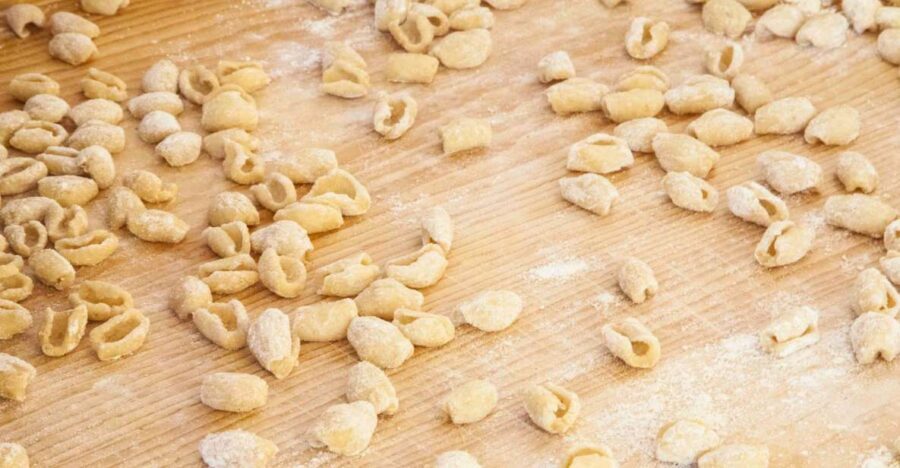
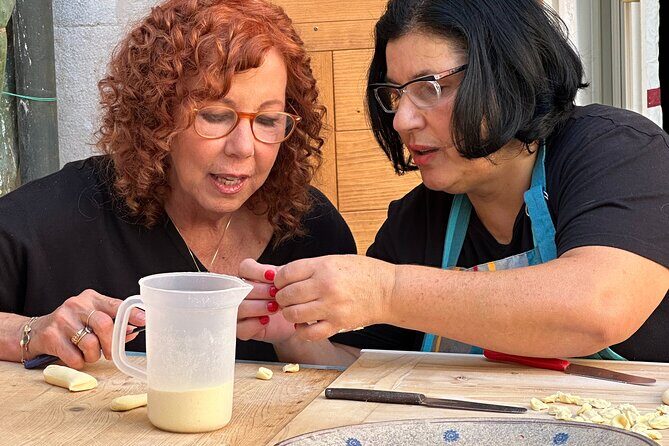
This experience is built around one idea: Italian cooking is personal. In Bari, that means you’re not standing in a line of identical stations. You’re in a real home kitchen where the cook’s rhythm, preferences, and family habits shape the lesson. You learn the steps, sure. But you also pick up the small cues—texture, timing, and how dough behaves—that are hard to get from a cookbook alone.
You’ll also like how the menu is focused. Fresh pasta and tiramisu aren’t random picks. They’re the two icons people immediately associate with cucina italiana, and this class gives you a practical path to both. That matters if your goal is to leave with skills, not just photos.
Other pasta & cooking classes we've reviewed in Bari
Cesarine Home Cooking: What That Network Actually Means for You
This class is run through Cesarine, a long-running network of home cooks across Italy (500+ cities). The big value here is that your instructor isn’t working from a “brand script.” Cesarine home cooks use local specialties from their own family cookbooks, so you’re getting regional habits rather than generic Italian-American versions.
It also helps that the lesson is guided by an Italian host who teaches in English too. Expect questions, corrections, and real technique coaching—especially for pasta dough handling. And since you’ll be cooking and eating the same menu, the “why” behind each step becomes obvious while you’re working.
One practical note: for privacy, the full address isn’t shared until after you book. That’s common for home-based experiences, and it’s worth planning around so you don’t end up guessing where you’re going.
Getting Matched and Finding the Right Kitchen in Bari
Before you go, you’ll be asked for a few details that make a real difference in a home setting. Share food intolerance or allergy information, tell them which neighborhood you’re staying in, and explain how you plan to travel to the host’s home. After they have that, you receive the host details including phone number and full address.
That may sound administrative, but it’s actually smart. Home kitchens can be small. Getting the neighborhood and travel approach right helps your host plan for timing, access, and ingredients. It also helps them prepare for dietary needs where possible.
Aperitivo First: Prosecco and Nibbles Before the Dough
Most classes start with a knife lesson or a lecture. This one starts with an Italian aperitivo: prosecco and nibbles. That simple opening does two things for you. It relaxes the group right away, and it sets the tone—this is about food culture, not speed-running a recipe.
As you sip and snack, you’ll get oriented to the kitchen setup and what’s coming next. It also gives you a chance to chat with your host and the other food lovers in the group (the vibe tends to feel warm and family-like, based on the kinds of hosts who teach in Bari).
Rolling Sfoglia by Hand: The Skill That Makes Everything Else Click
The pasta part isn’t just about cooking. It’s about learning the dough behavior that you’ll need later—especially hand-rolling sfoglia.
Here’s what makes this technique-focused portion valuable: once you understand how the dough stretches and how thin is thin enough, the rest gets easier. You’re not guessing. You learn how to work the dough, how to handle it without tearing, and how to pace yourself so it stays workable.
In many Bari sessions, the instruction starts with a straightforward dough approach—like semolina and warm water—mixed and handled by hand. That’s a useful foundation because it removes the mystery. When you return home, you won’t be stuck thinking you need fancy equipment to make pasta.
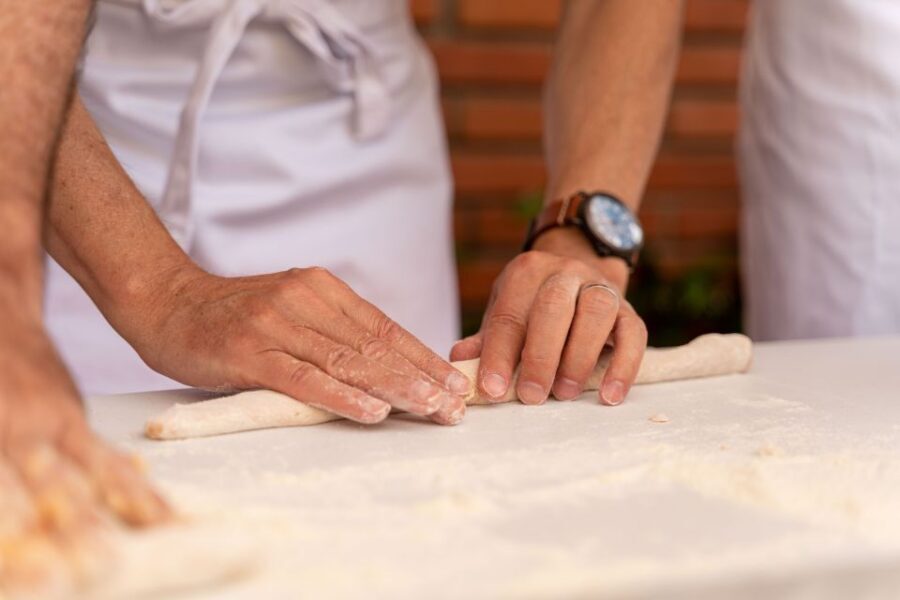
Then you roll. Your host guides you through getting it thin and even enough for shaping. If you’ve only ever used store-bought pasta, you’ll likely notice the difference right away in how it cooks and how it holds sauce.
Other cooking classes in Bari





Two Pasta Types Plus the Sauce Logic You Can Repeat
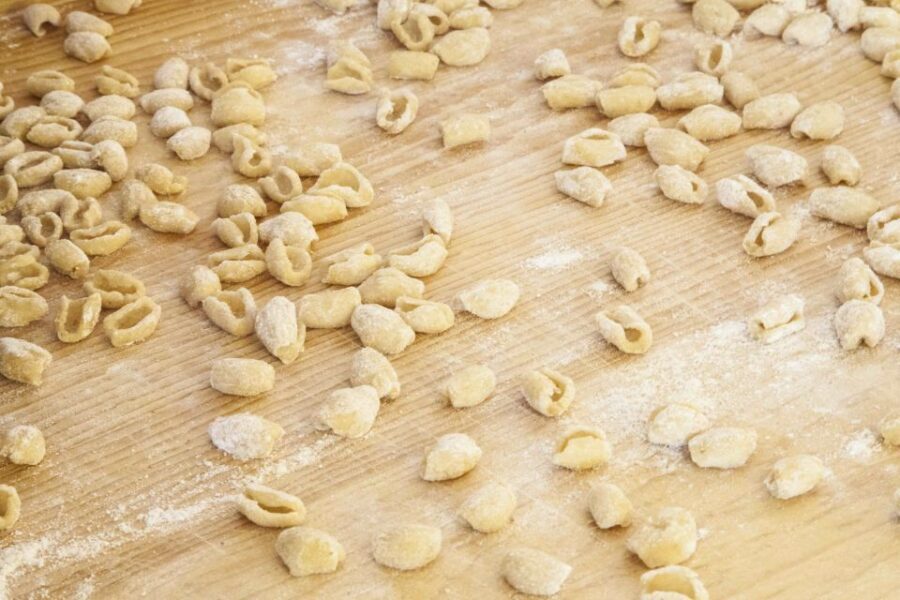
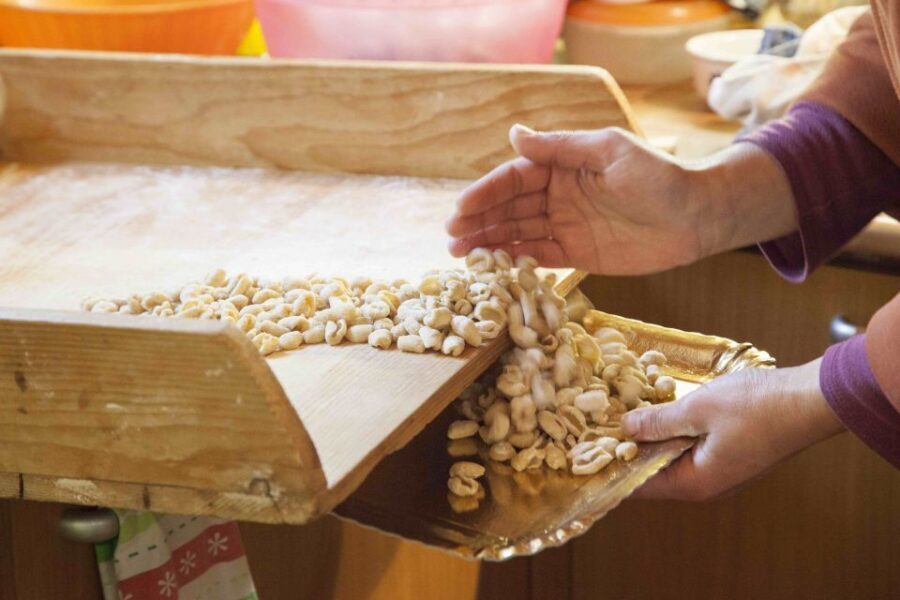
After the sfoglia technique, you’ll prepare two different kinds of pasta from scratch. The class focuses on keeping it doable: two shapes, two processes, and enough coaching that you can repeat the results later.
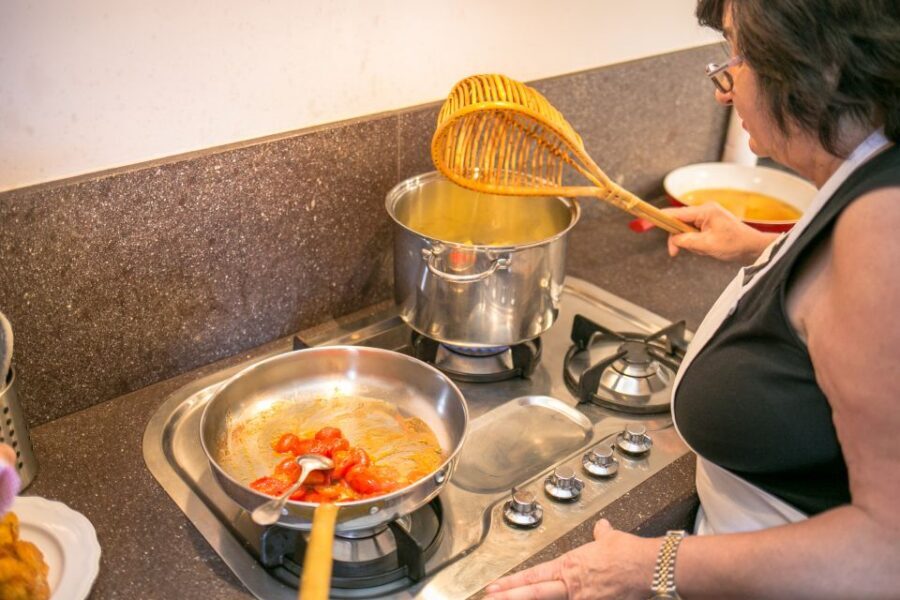
You’ll also learn how the pasta connects to sauce. In one Bari session with Fernanda’s family-style approach, the pasta was paired with a tomato-and-olive-oil style sauce component and cooked using the ingredients that feel natural to the region. That’s the kind of cooking logic worth copying: simple building blocks, careful timing, and letting the pasta taste like pasta.
For you, the practical takeaway is this: you won’t only leave with a recipe card. You’ll leave understanding how fresh pasta behaves in boiling water and how to pair it with the flavors you already associate with Italy—tomatoes, olive oil, and herbs in that typical southern Italian style.
Tiramisu Training: How to Build the Dessert Layer by Layer
Then comes dessert: tiramisu. This is where many people expect a “hands-off” demo. Instead, you learn to prepare it as a real process, not a performance.
Why that’s valuable: tiramisu looks fancy, but it’s mostly technique—how you handle the components and how you build layers so the texture works. Your host teaches you the method step by step, with time and pacing guidance so you’re not guessing when to stop mixing or how to assemble.
If you’ve tried making tiramisu at home before, you’ll appreciate the structure you get here. Fresh pasta is one skill. Tiramisu is another. Learning both in one sitting helps because you see that Italian home cooking is consistent: you build good texture with attention, not with shortcuts.
Sipping Wine and Eating What You Made
After the cooking, you eat. The meal includes the two pasta recipes plus the tiramisu you prepared. You’ll also have beverages: water, wines, and coffee.
This part matters more than it sounds. Fresh pasta straight from a home kitchen is a different thing than reheated leftovers. You taste the difference while your technique is still fresh in your mind. And since you’re eating the same dishes you made, it’s easy to connect what your hands did to what your mouth experiences.
Also, the shared table aspect is a big part of the value. Your host doesn’t just feed you; they guide the experience so you understand the choices behind each dish.
Price and Time: Is $112.15 Worth It?
At $112.15 per person for about 3 hours, this is not “cheap,” but it also isn’t priced like a luxury tasting menu. It sits in the middle—where you’re paying for several real things:
- A real-home teaching environment (not a generic kitchen)
- Instruction in both fresh pasta technique and tiramisu
- Food and drink included (prosecco aperitivo, wines, coffee, plus your meal)
If you’re the type who likes learning skills you’ll use again, it can feel like good value because you’re taking home two repeatable results: pasta-making you can practice and a tiramisu process you can rebuild. If you mainly want a quick food stop or you’re tired and want zero kitchen time, you might prefer something lighter.
The duration is also a good sign. Three hours is enough time to do real work without dragging on into a full evening marathon.
Who Should Book This Bari Class (and Who Might Think Twice)
This class is ideal for you if you:
- Want hands-on cooking, not just watching
- Care about learning technique, especially fresh pasta by hand
- Like the idea of a home kitchen with a local host and local ingredients
- Are traveling in a group size that won’t mind getting a little flour on everything
It might be less ideal if:
- You rely on wheelchair access (it’s not suitable for wheelchair users)
- You hate last-minute address details (the home address arrives after booking)
- You’re short on time and need a quick meal only
My Booking Advice: Make It Smooth, Make It Personal
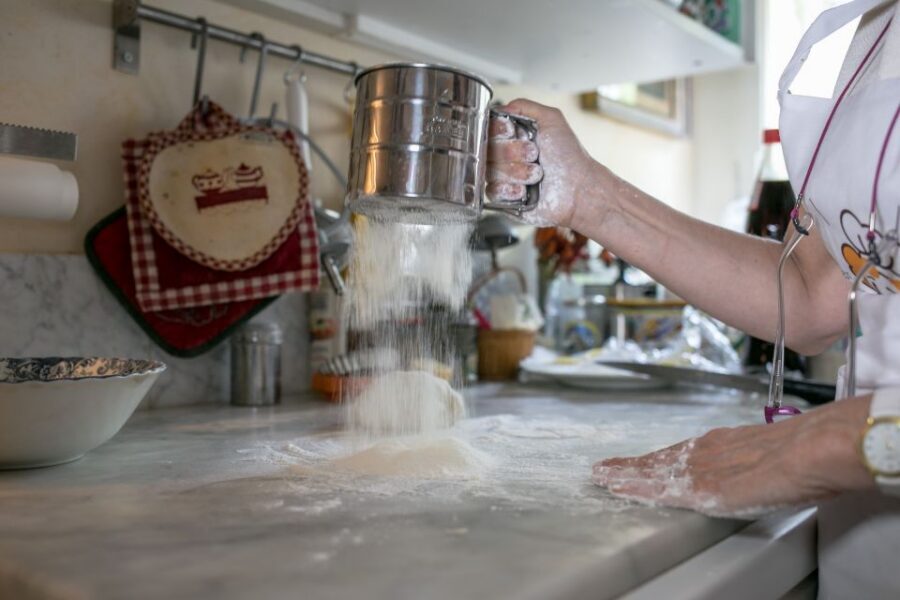
To get the most out of this kind of home cooking experience, show up with curiosity and flexible timing. Wear clothes you can move in and that won’t mind a bit of flour dust. Ask your host questions as you work—this is where you’ll learn the “why” that sticks.
If you have any food intolerance or allergy, send it when booking. The class is designed around matching you with a suitable host home, and that preparation is what keeps the experience comfortable.
Also, plan transportation with the understanding that the address will come later and it’s a residential setting. That’s part of the charm, but it helps to arrive calm, not sprinting.
Should You Book This Bari Pasta and Tiramisu Class?
If you want a true Bari food memory that goes beyond eating, I’d book it. The combination is strong: hand-rolled sfoglia, two pasta types made from scratch, and tiramisu training, followed by the meal and drink included. You’re paying for a full teaching experience in a local kitchen, not just ingredients and a seat.
The decision comes down to one thing: are you excited to cook for a few hours? If yes, this is exactly the kind of class that turns into real-life cooking later.
FAQ
FAQ
Where does the class take place?
The experience is held in a local home in Bari (Apulia). For privacy, you only receive the full address of your host after you have booked.
What will I learn to cook?
You’ll learn fresh pasta (including rolling sfoglia by hand) and prepare two different types of pasta from scratch. You’ll also learn how to make tiramisu.
How long is the class?
The duration is 3 hours. Starting times depend on availability.
What’s included in the price?
You get a pasta-making class for two pasta types plus tiramisu-making, an Italian aperitivo with prosecco and nibbles, and a meal of the two pasta recipes plus tiramisu. Beverages included are water, wines, and coffee.
What languages are used?
The instructor teaches in Italian and English.
Is it wheelchair accessible?
No, the experience is not suitable for wheelchair users.
Do I have to pay right away, and is cancellation free?
You can reserve now & pay later. There is free cancellation up to 24 hours in advance for a full refund.