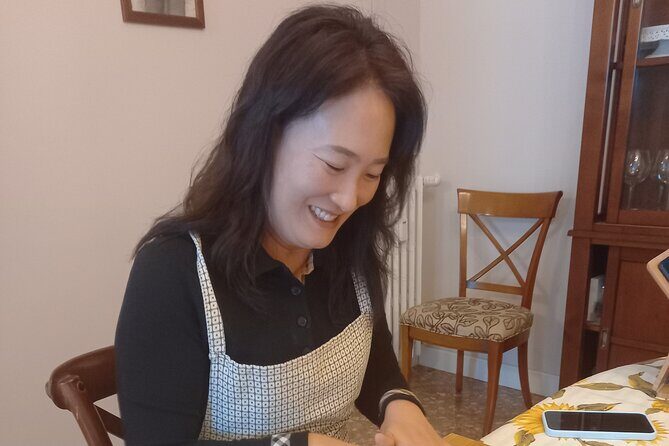
Bari smells like bread and fresh pasta. This Apulian cooking class with Juanita turns you from spectator to maker, just about a short walk from Bari Centrale. You’ll work through classic Barese focaccia and handmade fresh pasta, then sit down to eat what you make in a home setting.
I especially love the hands-on shaping of orecchiette, because you’re coached through the tricky “little ear” technique, not just shown once. I also like the way the lesson turns into a meal with antipasti and drinks, so the cooking feels useful instead of academic.
One thing to consider: this is a working kitchen. You’ll be up, moving, and rolling dough for most of the time, so if you want a mostly sit-and-watch experience, this may feel a bit like a workout.
In This Review
- Quick hits you’ll care about
- Why Bari focaccia and orecchiette belong on your itinerary
- Juanita’s class flow: what happens during 2 hours 30 minutes
- The focaccia lesson: dough, resting, and oven-ready results
- Orecchiette time: the technique behind the little ears
- From apertivo to lunch: how the food is served
- Wine, coffee, and what you actually get to drink
- Location check: meeting in Bari without wasting your day
- Price and value: is $107.40 worth it?
- Who should book this Bari cooking class (and who shouldn’t)
- Should you book Juanita’s focaccia and pasta session?
- FAQ
- What will I learn to cook in this class?
- How long is the cooking class?
- Where do I meet for the experience?
- How big is the group?
- Is it near public transportation?
- When does the class operate?
- Do I get recipes to take home?
- What is the cancellation window?
Quick hits you’ll care about
- Small group: capped at 8 travelers, so you get real attention while you shape pasta.
- 10-minute walk from Bari Centrale: you can pair it with train arrivals or departures without stress.
- Focaccia and orecchiette focus: you learn the local style, not generic Italian cooking.
- Eat your results: you don’t just package dough balls for later; you eat a full home-style meal.
- Recipes to take home: you leave with the instructions to repeat the dishes after your trip.
- Timing you can coordinate: you discuss the start time during the day’s available window.
Why Bari focaccia and orecchiette belong on your itinerary
If you only eat Apulian food in restaurants, you miss the point of what makes it stick in your head. In Bari, the magic is in the dough: how it hydrates, how it rests, and how the final texture comes out of your hands. That’s what you get here—practical technique plus the local logic behind it.
The theme is tradition from real kitchens. Juanita’s whole approach is about teaching the method her family uses, including the kind of small tricks that separate mediocre homemade bread from the kind people actually brag about.
Also, you’re in Bari, not some rural day trip where you’re transported to a different place. This class works well if you plan to spend a couple days in the city, because it’s close to the station and not buried deep outside town.
Other pasta & cooking classes we've reviewed in Bari
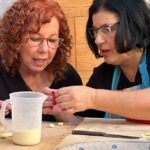
Juanita’s class flow: what happens during 2 hours 30 minutes
The format is tight and organized. You’ll start with an Apulian welcome—usually coffee and cake, or an aperitivo setup with wine and small bites—then you shift into dough work.
From there, the class moves through the big targets: focaccia dough, then the fresh pasta portion (orecchiette). While dough rests, you’re not stuck waiting around—you’re eating and learning, and you get time to ask questions.
Finally, you sit down and enjoy lunch with what you made. You’ll also leave with the recipes so you can try again at home, ideally without turning your kitchen into a flour disaster.
The focaccia lesson: dough, resting, and oven-ready results
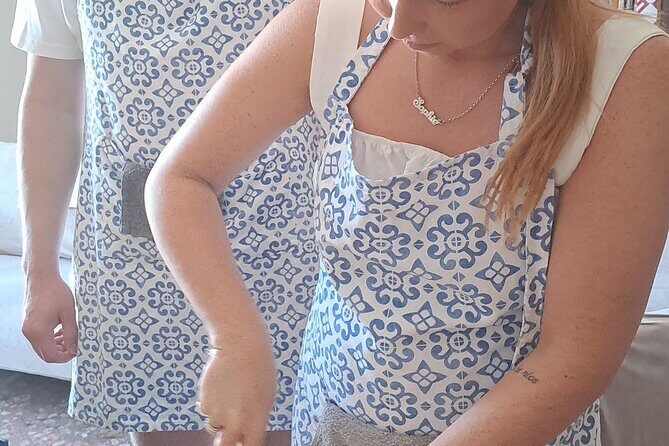
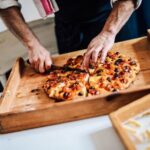
Bari focaccia isn’t just “bread with toppings.” It’s a dough you learn to respect—especially how it develops and bakes up with the right crust and chew.
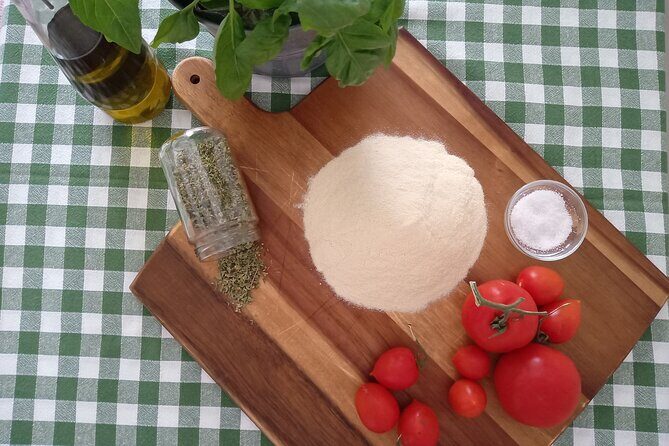
In your session, Juanita teaches the process from scratch, including the basics you’ll need to reproduce it later. You work with fresh ingredients like yeast, and you learn why the dough behaves the way it does. She also points out differences in flours depending on what you’re making, which matters more than most people expect.
One useful takeaway: focaccia feels simple when you watch it done, but it isn’t. Your hands learn pacing—when the dough needs more time, when it’s ready, and how to shape it so it bakes evenly. If you’ve never worked with yeast dough, this class is a safe place to mess up and get coached through it.
Orecchiette time: the technique behind the little ears
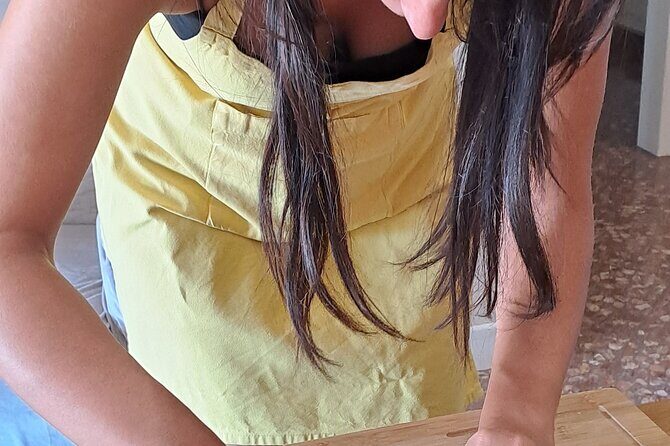
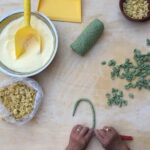
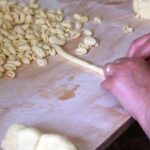
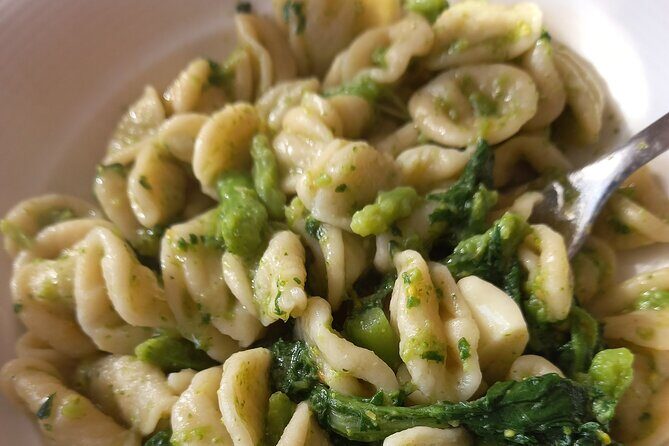
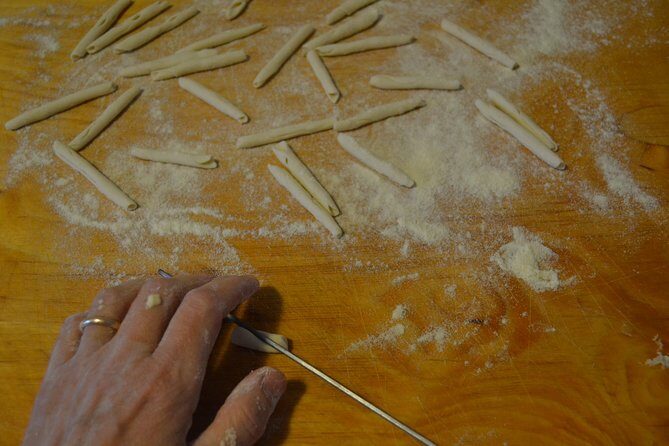
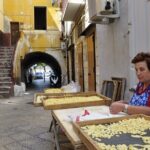
Orecchiette gets praise for its shape, but the real lesson is control. Making the “little ears” takes a steady rhythm and a specific method—rolling, cutting, and shaping so the pasta holds sauce instead of sliding it off.
This is where the class earns its five-star reputation. You get hands-on practice, and Juanita doesn’t just correct your final look—she shows you the technique and makes sure you understand the movement. That coaching matters because orecchiette has a learning curve, even for people who bake or cook at home.
You’ll make the pasta from scratch, then (after it’s cooked) you eat it with typical Bari-style sauces. Some sessions lean into pesto, and others build with tomato-based flavors and even greens like cime di rapa. Either way, the point is the same: you taste how the sauce interacts with the pasta shape you just made.
If you’re a beginner, you’ll still feel capable by the end. Several people describe it as learnable even with no prior pasta skills, as long as you’re willing to slow down and follow the steps.
From apertivo to lunch: how the food is served
Cooking classes can turn into a weird feeling of constant work with no reward. Here, you earn your meal. You’ll start with an aperitivo-style spread—think antipasti like marinated vegetables, cured meats and cheeses, plus bread and olive oil. Then you move into lunch with your own focaccia and pasta.
In many sessions, there’s also a sweet finish. People mention tiramisu as a common dessert, and some also mention coffee and limoncello after the meal. You’re not eating a token bite, either. The setup is meant to be a full home experience, with enough food to leave comfortably full.
One practical benefit: because you’re eating what you make, you learn faster. When your brain connects dough texture to the final bite, it sticks. Later, when you cook at home, you’ll remember the exact lesson you needed.
Other cooking classes in Bari
Wine, coffee, and what you actually get to drink
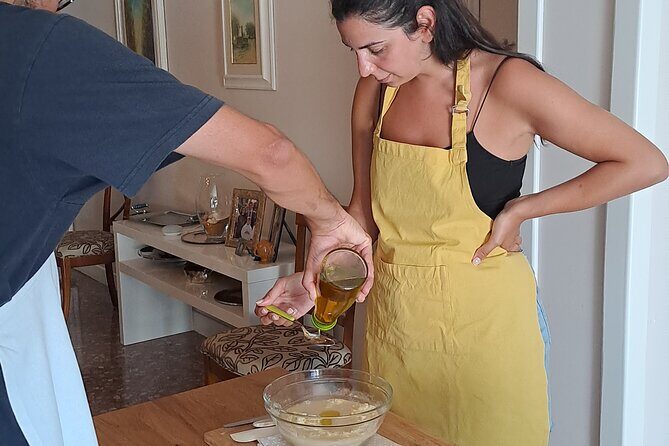
Drinks are part of the rhythm of the class. You can typically choose between options like wine for the aperitivo/lunch stage, plus coffee afterward. Several people mention wine and wine-like pairings during the meal, plus a relaxed pace.
If you don’t drink, you’re not stuck with nothing—people mention drink of choice and also coffee and other non-alcohol options. Still, it’s smart to set your own expectations: this isn’t a “dry class.” It leans into the social side of Italian meals.
Location check: meeting in Bari without wasting your day
The meeting point is Via Domenico Nicolai 105, 70122 Bari. It’s close enough to Bari Centrale that you can arrive without guessing about transport. That matters in Bari, because once you start walking toward the old center, the street angles and hills can turn a simple plan into a longer wander than you expected.
From there, you’re also within reach of major sights. This class places you near the historic heart of the city, so it’s easy to bundle it with a cathedral visit, a stroll around the old city, or time near cultural landmarks like the basilica area and the theater zone.
Timing tip: since you choose the course start time together within the daytime window, you can build the cooking class around your strongest part of the day—late morning works especially well, so you can still see more in the afternoon.
Price and value: is $107.40 worth it?
$107.40 per person sounds like “hey, that’s not cheap.” But in Bari, you’re paying for more than a recipe sheet.
You’re getting:
- A small group setting (max 8), which means real coaching instead of crowd management.
- Two core hands-on skills: focaccia dough and fresh pasta (orecchiette) shaping.
- Food you eat: antipasti and a full lunch made from your work.
- Recipes to take home, so the experience keeps paying off after your flight lands.
If you compare it to paying for a private lesson plus a separate meal, the value gets clearer. This is a “learn and eat” package, in a real home kitchen, where the labor is part of the service.
If you’re the type who likes to bring something back besides photos—like a skill you’ll actually use—then the price starts to look fair fast.
Who should book this Bari cooking class (and who shouldn’t)
This class is ideal for:
- People who want hands-on cooking instead of watching someone else work.
- Anyone who’s curious about orecchiette and wants to learn the shaping technique properly.
- Travelers who want a relaxed cultural moment with conversation, good food, and a small group vibe.
You might skip it if:
- You want a classic sightseeing tour with lots of stops and views.
- You hate kitchen mess and kneading, even when someone teaches you what to do.
- You’re traveling only for a quick bite and don’t want to spend most of the morning or midday in active work.
The upside is that even total beginners often feel successful here, because Juanita’s approach is structured and patient while still keeping the pace moving.
Should you book Juanita’s focaccia and pasta session?
If you’re in Bari and you want one activity that feels like it connects you to local food culture, this is a strong choice. The class hits the sweet spot: practical technique, small group coaching, and a meal that makes the work feel worth it.
Book it if you:
- want to learn Barese focaccia and orecchiette from scratch,
- like cooking classes where you also eat,
- and would rather spend time in a home kitchen than just collect another postcard.
Skip it if your idea of fun is more scenery than dough. But if you’re even a little interested in mastering the feel of Apulian dough, you’ll leave with skills you can repeat—and a stomach full of proof.
FAQ
What will I learn to cook in this class?
You’ll make fresh pasta (orecchiette style) and Bari focaccia from scratch. The meal you eat is built around what you prepare.
How long is the cooking class?
It runs about 2 hours 30 minutes.
Where do I meet for the experience?
The meeting point is Via Domenico Nicolai, 105, 70122 Bari BA, Italy. The activity ends back at the meeting point.
How big is the group?
There’s a maximum of 8 travelers, so it stays small.
Is it near public transportation?
Yes. It’s near public transportation, and it’s about 10 minutes from Bari Central Train Station.
When does the class operate?
The opening hours listed are Monday through Sunday, 10:00 AM to 5:00 PM.
Do I get recipes to take home?
Yes. You’ll receive the recipes at the end of the lesson so you can try them after your trip.
What is the cancellation window?
You can cancel for a full refund up to 24 hours in advance of the experience start time.