REVIEW · BARI
Ostuni, Cisternino Polignano Small Group Guided Tour from Bari
Book on Viator →Operated by Go2Bari.com · Bookable on Viator
Puglia looks best when someone else drives. This small-group day trip links three of the region’s most photogenic towns—Ostuni, Cisternino, and Polignano a Mare—starting and ending in Bari with guided walking and time to wander on your own. Along the way, you get clear explanations of what you’re seeing, from Greek influences in Ostuni to the cliff layout of Polignano.
Two things I really like: you get hassle-free round-trip transportation from Bari so you can focus on the places, not the roads; and the itinerary includes free admission tickets for the time you’ll spend in each town. It also helps that guides (like Fabio, Enza, and Elena) are clearly invested in the group, with quick tips for photos and pacing that doesn’t feel like a sprint.
One consideration: the day has plenty of walking plus some climbing and descending, especially in Ostuni. If hills tire you out, plan for slower movement and break times, not a high-speed tour.
In This Review
- Key Reasons People Love This Ostuni–Cisternino–Polignano Day
- Getting From Bari Without Hassles: What the Ride Is Like
- Stop One: Ostuni, the White Pearl and Its Greek Imprint
- Stop Two: Cisternino’s Hilltop Charm and the S. Nicola Statue
- Stop Three: Polignano a Mare’s Sea Cliffs, Ice Cream, and Movie-Set Feel
- Timing and Pacing: How This Day Feels Over 8.5 Hours
- Price and Value Check: Is $215.07 Worth It?
- What You’ll Learn Without Feeling Like a Classroom
- Who This Tour Suits Best (and Who Might Want Another Plan)
- Should You Book This Ostuni–Cisternino–Polignano Trip?
- FAQ
- What does this Ostuni, Cisternino, and Polignano tour include?
- Where does the tour start in Bari?
- What time does the tour start and how long is it?
- Is lunch included?
- What language is the tour offered in?
- How big is the group?
- Is there free cancellation?
Key Reasons People Love This Ostuni–Cisternino–Polignano Day
- Small group up to 15 travelers, which makes it easier to ask questions and actually hear the guide
- Air-conditioned vehicle for the long drive out of Bari, with stops that help keep the day comfortable
- Free admission tickets at each stop, so your money goes to meals and enjoying the towns
- Guides with real personality, including Elena and Enza, plus thoughtful help for dietary needs in some cases
- Time to wander in all three towns, not just a quick pass through the main street
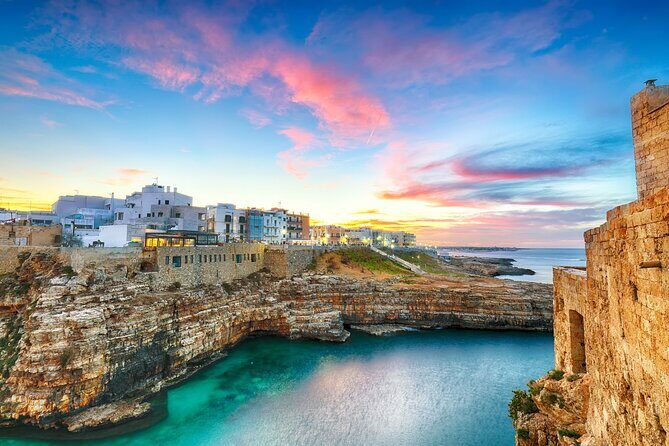
- Big scenery payoff, with panoramic viewpoints over the Itria Valley and Polignano’s cliffside setting
Getting From Bari Without Hassles: What the Ride Is Like
This tour starts at Teatro Petruzzelli on Corso Cavour in Bari. Meeting is straightforward, it’s near public transport, and the day runs about 8 hours 30 minutes from a 9:00 am start back to the same area when you’re done.
The big value is that you skip the car puzzle. You board an air-conditioned minivan and follow a route someone else has already figured out. You’re not negotiating parking, bus schedules, or which road leads to which viewpoint. In places like this, that alone can save a lot of time and stress.
Group size matters here. With a maximum of 15 travelers, you tend to get a more conversational experience than the big-coach crowd. Guides like Fabio and Yuri (seen in the feedback) also seem to run the day with timing awareness—keeping the pacing steady and making sure you’re not stuck waiting.
One practical note: the roads between towns in Puglia can be rough. If you’re sensitive to bumps, expect that some parts may feel a bit bouncy in a minivan even with soft suspension. It’s not constant, but it’s real enough that I’d pack a small patience buffer for the ride.
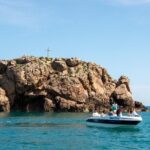
Other Polignano a Mare boat & cave tours we've reviewed in Bari
Stop One: Ostuni, the White Pearl and Its Greek Imprint

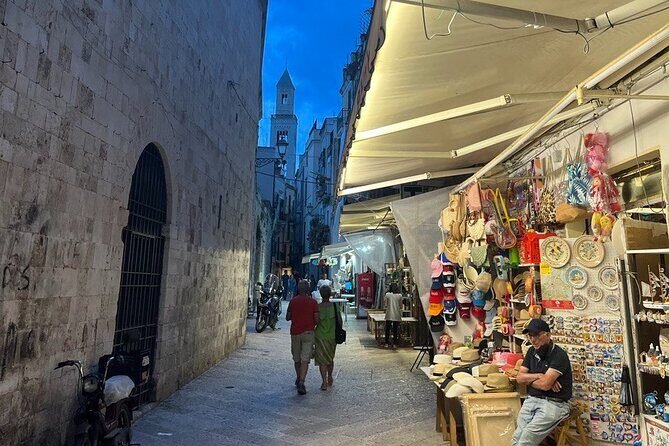
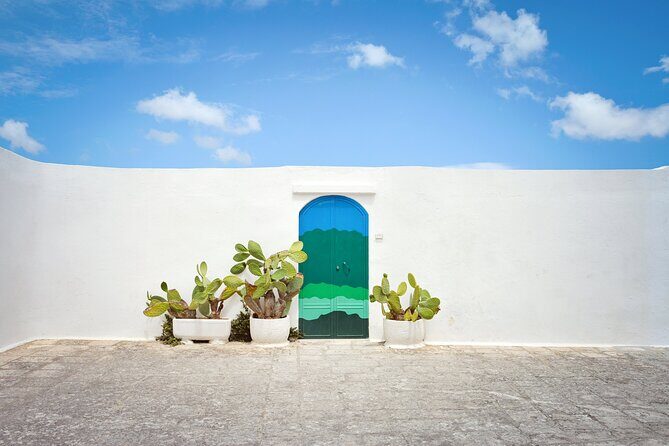
Ostuni is the type of town that makes your brain go quiet when you first see it. The approach gives you that mirage effect: white houses and whitewashed streets sitting above a valley of very old olive trees. It looks like something between a cloud and a wall of light against the blue sky.
Here’s what I think makes Ostuni work as a guided stop. The guide isn’t just pointing at pretty walls. You’ll get context for why the town looks the way it does, including the strong Greek imprint that helps explain the origins of the white city identity people associate with Ostuni.
Plan for a real walk. Even with a leisurely pace, Ostuni has hills and stairs. One of the most helpful bits of feedback I see reflected in how these tours run is that the climbing and descending happens but is handled at a comfortable tempo. You’ll have time to get lost in alleys—quiet pockets where the town feels like a living postcard—then come up for viewpoints when you want the full valley view.
Ostuni also has a time-of-day charm. Evening can feel like the town turns into a village of light. Even if you’re not there late enough for a full night scene, the contrast is part of the experience: white walls glow, and the town’s layout suddenly makes more sense.
One thing to consider: if you’re hoping for lots of time inside churches, you may want to manage expectations. The tour focuses on walking the towns with guide storytelling, but some feedback suggests church interiors weren’t always prioritized. You can still enjoy the religious architecture you pass, but don’t count on a deep, timed stop inside every church.
Stop Two: Cisternino’s Hilltop Charm and the S. Nicola Statue
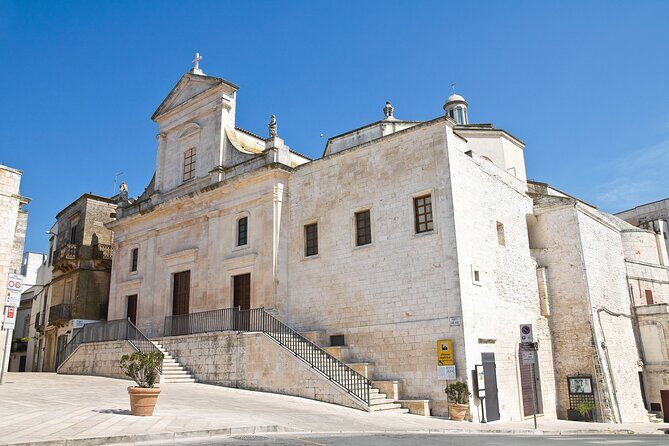
After Ostuni’s wide views, Cisternino feels different in the best way. It’s perched on a hilltop, with clean, whitewashed buildings set against green Murgia countryside. The setting makes the town feel neat and compact, and the panoramas are the kind that make you stop mid-sentence to look.
Cisternino’s appeal is partly in the layout—walkable streets that open up to bigger views—and partly in the specific cultural details you’re given. The center includes the main church dedicated to S. Nicola, and there’s a standout artwork tied to the building: a 1517 statue of a Madonna with Child by Stefano da Putignano.
That matters because it turns “pretty church facade” into something you can actually place in time. When you know the statue’s date and the artist’s identity in Puglia’s Renaissance story, the visit feels more anchored. You also get a stronger sense of why Cisternino is considered one of the 100 most beautiful small towns in Italy.
Time here is usually about 1.5 hours, which is long enough to do two useful things. First, you can walk the core streets and check out the town’s character. Second, you can pause for the viewpoint moments without feeling rushed.
If you like photography, Cisternino is a good stop for that. The town’s position lets you see stretches of the Itria Valley, and even short breaks can turn into mini sightseeing sessions.
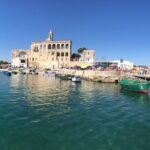
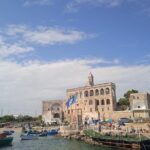
Stop Three: Polignano a Mare’s Sea Cliffs, Ice Cream, and Movie-Set Feel
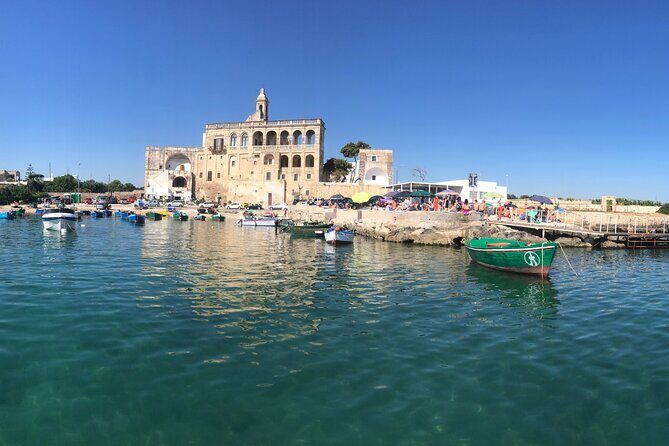
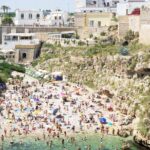
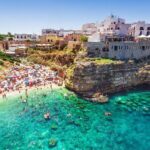
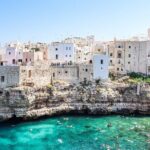
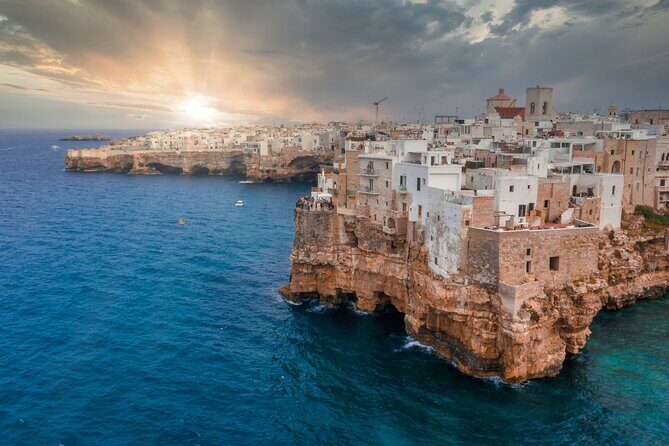
Polignano a Mare is where the day gets dramatic. This is a town built on a high white cliff overlooking the sea. The historic center works like a maze of alleys that suddenly open onto balconies about 30 meters above sea level, with water below that looks unreal.
I love that Polignano’s beauty is not just one view. You get a sequence. You walk a corner, then another, and the town reveals itself in steps. That’s why it pairs so well with a guide-led start and then independent wandering time.
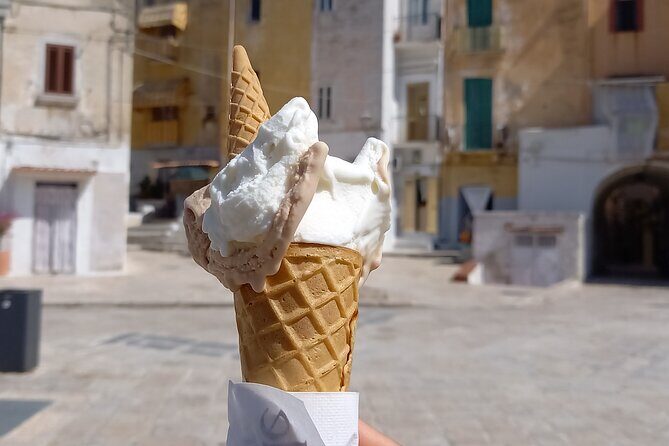
There are also clear cultural anchors. Polignano is known as the capital of Apulian artisan ice cream, and it’s the birthplace of Domenico Modugno, with a statue on the waterfront area. There’s also a movie-set angle: the town has been used for international film productions, which adds a sense of cinematic “already-known” scenery when you’re standing there.
One more thing I’d take seriously: Polignano’s sea is not just a color on a brochure. The area’s waters have been recognized by Legambiente for cleanliness, and that shows in the way the coastline looks from the cliffs.
Expect a solid amount of walking too, since the best viewpoints often come from where the paths and stairs take you. Still, the town is designed in a way that makes movement part of the fun. In fact, one of the best notes from the day is that there are small places worth finding—little corners that feel more personal than the main overlook.
If you’re someone who loves the “find it yourself” part of travel, Polignano gives you that space. You don’t just get the official talking points. You get time to explore.
Timing and Pacing: How This Day Feels Over 8.5 Hours
An 8.5-hour day can either feel smooth or exhausting. Here, the pacing tends to be the sweet spot because it mixes guided walking with breaks and shop-and-sip time.
You’ll have time in each town to eat, drink, use restrooms, and browse. In the feedback, that flexibility shows up as a big plus: there’s room for snacks, water, and quick stops without feeling like you have to ask permission every time.
Ostuni is the physical test of the day. Even at a leisurely tempo, you’ll do some climbing and descending in town streets. It’s not described as extreme, but it’s enough that comfortable shoes matter.
Polignano is the time for easy-to-enjoy strolling with scenery rewards. You’ll get the famous cliff layout, plus the bonus effect of not feeling like you’re sprinting from one point to the next.
And between towns, you’ll have the ride time to reset. The vehicle is air-conditioned, which helps on hot days, and it means the schedule stays workable even when the weather is warm.
If you’re considering this as a couples trip or a solo outing, I’d say the pacing works well because you can move with the group when you want context, then slow down when you want your own photos.
Other Ostuni & white city tours we've reviewed in Bari



Price and Value Check: Is $215.07 Worth It?
At $215.07 per person, the math works best if you factor in what you’re actually getting.
You’re paying for:
- Round-trip transportation from Bari (so you don’t spend time figuring out trains, rental cars, or parking)
- An English-speaking tour leader
- A small group experience
- An air-conditioned vehicle
- Free admission tickets for the visits at each town stop
- Time managed across three towns so you hit the highlights without burning half the day in transit
You’re not paying for lunch. That’s the one cost you’ll need to plan for yourself, and in Puglia that can be a good thing. It gives you the chance to choose where you eat based on what you feel like: something quick for energy, or a longer sit-down meal.
So is it value? For me, it’s value when you want structure but not a hard sell. If you prefer independent travel where you plot your own route, this might feel pricier than DIY. But if you want someone else to do the driving and timing while you enjoy the scenery, the price starts to look very fair—especially with free admission tickets included.
What You’ll Learn Without Feeling Like a Classroom
The best part of a good guided day trip is when the guide helps you read the place. This one seems to do that consistently.
In Ostuni, you’ll understand the Greek imprint behind the town’s identity. In Cisternino, you’ll connect a specific church and artwork (S. Nicola and the 1517 Madonna with Child) to the region’s art story. In Polignano, you’ll get the names and references that make the town feel more layered than just sea views and white stone.
The guide energy also matters. Names like Elena and Enza show up in the feedback as guides who are friendly and attentive. There’s even an example of help with food restrictions, which tells me the guide team is prepared to adjust at least some parts of the day so nobody gets left out of meal decisions.
The tone also seems practical. You’re not getting a lecture. You’re getting directions for what to notice, when to pause, and how to make the most of the time you have.
Who This Tour Suits Best (and Who Might Want Another Plan)
This tour fits best if you want:
- A one-day overview of three major Puglia highlights
- Less driving stress from Bari
- A small-group feel with enough time to wander in each town
- A guide who adds meaning to what you’re seeing
It’s especially good for first-time visitors to Puglia who want the “best of” without turning the trip into a logistics project.
It may not be your best match if:
- You hate hills and stairs, since Ostuni includes walking with climbing and descending
- You want long, slow church interiors as a main feature (some feedback suggests interiors weren’t always emphasized)
Still, the good news is that the tour notes say most people can participate, and the pacing is described as leisurely enough for a broad range of visitors.
Should You Book This Ostuni–Cisternino–Polignano Trip?
If your goal is a satisfying Puglia day trip with serious scenery, smart time use, and minimal navigation, I’d say this is a strong pick. The combination of free admission tickets, small-group size up to 15, and round-trip transport from Bari makes the value feel grounded instead of gimmicky.
Book it if you’re excited by white towns, sea cliffs, and viewpoint moments—and you can handle a day with walking and some hills. If that sounds like you, you’ll likely come away with the kind of day you remember because you can still picture the color, the layout, and the details.
FAQ
What does this Ostuni, Cisternino, and Polignano tour include?
It includes an air-conditioned vehicle, a tour leader, and a small group. Admission tickets for the stops are free, and the tour runs about 8 hours 30 minutes.
Where does the tour start in Bari?
The tour starts at Teatro Petruzzelli, Corso Cavour 12, 70122 Bari, Italy.
What time does the tour start and how long is it?
It starts at 9:00 am and lasts approximately 8 hours 30 minutes, ending back at the meeting point.
Is lunch included?
No. Lunch is not included.
What language is the tour offered in?
The tour is offered in English.
How big is the group?
The group has a maximum of 15 travelers.
Is there free cancellation?
Yes. You can cancel up to 24 hours in advance for a full refund.