REVIEW · BARI
Archaeological tour of Bari: the treasures of the Old City
Book on Viator →Operated by Baritours di Amato Matarrese · Bookable on Viator
Bari archaeology is easier to read than you think. This guided route links the newer city edges to older layers you can actually step inside, including Byzantine spaces and museum-style excavations. I like the way the walk connects what you see on the surface to what’s literally underneath, and it keeps the story grounded in real places.
Old City layers and real excavation rooms are the big wins here.
Two things I’d point out right away. First, I love the focus on the churches and the archaeological spaces that explain each other—Santa Teresa dei Maschi sets the architectural tone, then Palazzo Simi shows you the buried context. Second, I like the practical value: several stops are free, and the major one under the cathedral has its entrance ticket included in the tour price. One note to consider: the experience includes a wall walk and getting between spots, so plan for some outdoor time and wear shoes you trust.
Free stops help the budget, but good weather matters.
In This Review
- Key highlights you’ll feel in the moment
- How Bari’s New and Old City Layers Get Explained Fast
- Price and value: $53.36 for guide time plus covered access
- Starting at Largo Chiurlia: an easy way to begin the Old City story
- Chiesa di Santa Teresa dei Maschi: the quick facade lesson
- Palazzo Simi and the Byzantine view you can’t get from photos
- Largo San Sabino and the 49 Block: medieval houses that survived
- Il Succorpo della Cattedrale di Bari: where the layers become physical
- Walking Bari’s wall toward the Old City alleys
- Piazzetta Santa Maria del Buon Consiglio: ruins in a picturesque pocket
- Who this tour suits best (and who should choose differently)
- Practical planning tips before you go
- Should you book this Bari archaeology tour?
- FAQ
- How long is the Bari archaeology tour?
- What’s the price and what admissions are included?
- Do I get a mobile ticket?
- Where does the tour start and end?
- What’s the maximum group size?
- What is the cancellation policy?
- What happens if the tour is canceled due to weather?
Key highlights you’ll feel in the moment
- A route that connects early-1900s construction thinning to older Bari layers
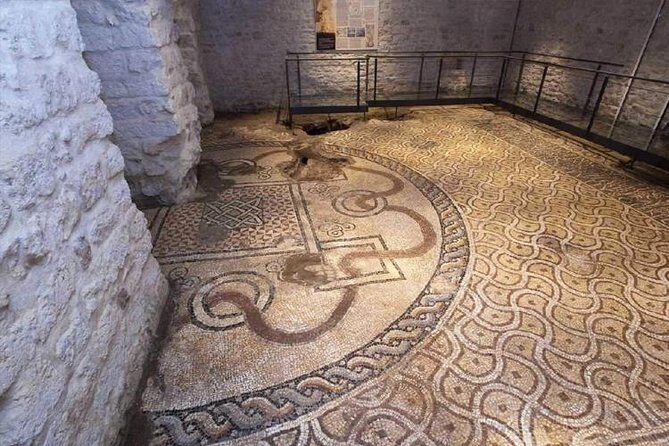
- Palazzo Simi excavations with a view into a Byzantine church
- The Succorpo under Bari Cathedral: Church of S. Maria + Chiesa della Trulla + excavations
- Small group size (up to 20), which keeps the pace human
- Several free-entry moments, with one paid-access site already covered
How Bari’s New and Old City Layers Get Explained Fast
This tour is built around a smart idea: Bari’s past doesn’t sit in one museum building. It shows up in the street fabric, in church architecture, and in the kinds of digs that happened when the city was changing. You start with the “new city” perspective, then move toward the Old City where the surprises are stored in plain sight.
I like tours that help you see the same place in two time periods at once. Here, you’ll connect early-1900s construction changes in the urban fabric to what remained from older eras. That makes the archaeology feel less like distant trivia and more like a reading lesson you can follow.
You’ll also get a guided experience rather than a self-guided scavenger hunt. With a maximum group size of 20, it’s easier to stay together at each stop and ask questions when something looks confusing—like how one church space relates to another layer.
Other city tours we've reviewed in Bari


Price and value: $53.36 for guide time plus covered access
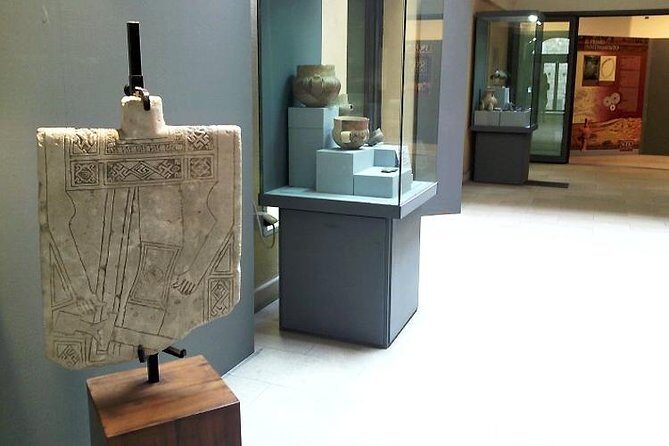
At $53.36 per person for about 2 hours 30 minutes, this isn’t a “cheap and cheerful” add-on. You’re paying for real guided access and interpretation—especially for the underground cathedral complex.
Here’s what makes the price feel fair. Multiple stops are listed as free-entry, so your money goes mainly toward the guided storytelling and the one major site where the entrance ticket is already included in the tour price. In plain terms: you’re not paying repeatedly just to get through doors.
Another practical value point: the tour uses a mobile ticket, which saves hassle on a day when you’re already juggling directions and time. And because the average booking window is 88 days in advance, it’s worth reserving early if you want a spot on your preferred day.
Starting at Largo Chiurlia: an easy way to begin the Old City story
The meeting point is Largo Chiurlia, in Bari’s center. Starting here helps you begin with the kind of orientation that works for archaeology: you get positioned before you start moving into the most layered parts of the Old City.
The route also ends away from the first pickup area, at the ruins of Santa Maria del Buon Consiglio near Vico Forno S. Scolastica. That matters because you’ll finish near another cluster of sights instead of backtracking. If you plan your day, think of this tour as a one-way arc across the Old City’s threads.
You’ll also be near public transportation. That helps if you’re mixing this tour with other stops before or after—especially since the end location is different from the start.
Chiesa di Santa Teresa dei Maschi: the quick facade lesson
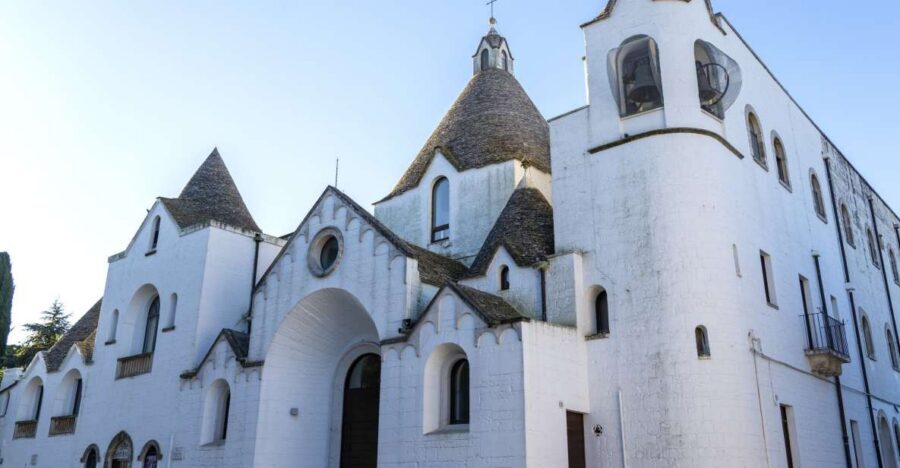
Your first stop is the Chiesa di Santa Teresa dei Maschi. It’s a short stop, around 10 minutes, and the focus is on church history and architectural details of the facade, with free admission.
Even at a brief church stop, I find facade details work well for archaeology tours. Before you see excavations, you learn to look. Facade shape, style, and how the building presents itself to the street can give you clues about later additions and how the city kept reusing sacred spaces over time.
What to watch for: keep your eyes on the facade and take in the overall feel rather than chasing tiny details. This stop is meant to set your visual “baseline” before you start seeing the buried layers later.
Palazzo Simi and the Byzantine view you can’t get from photos
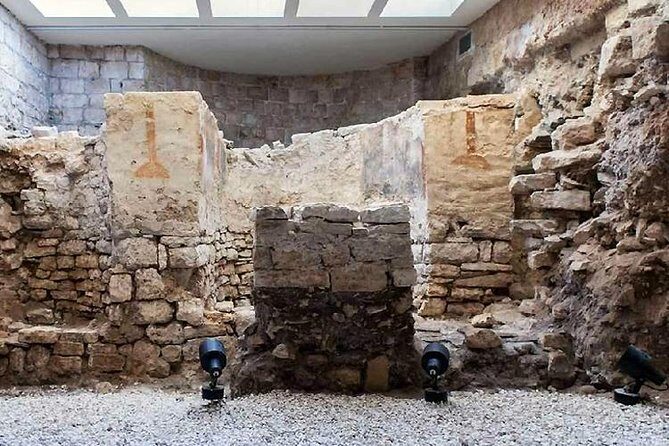
Next you’ll head to Palazzo Simi, Centro Operativo per l’Archeologia. This is where the tour slows down a bit: about 40 minutes, guided, with free admission.
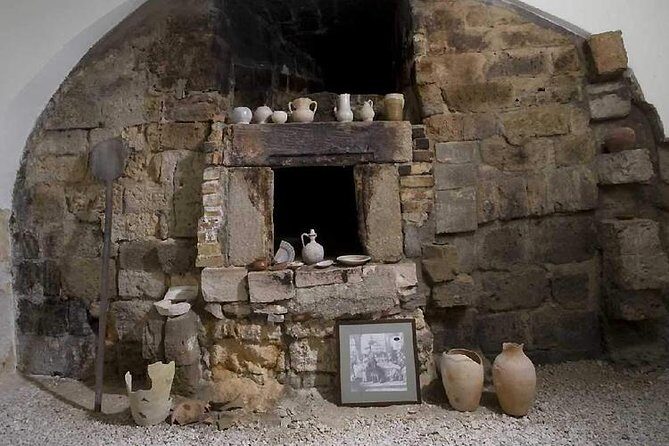
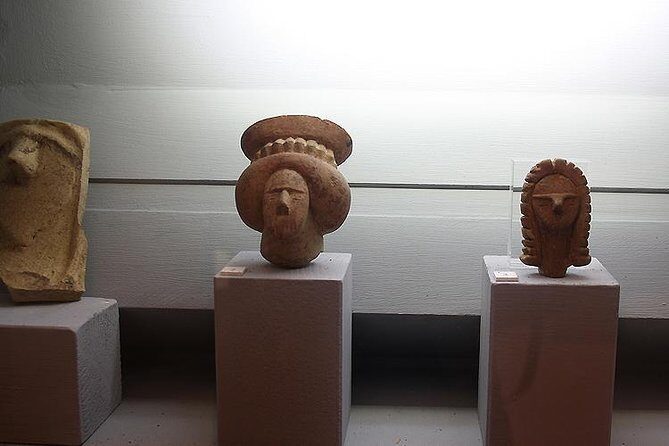
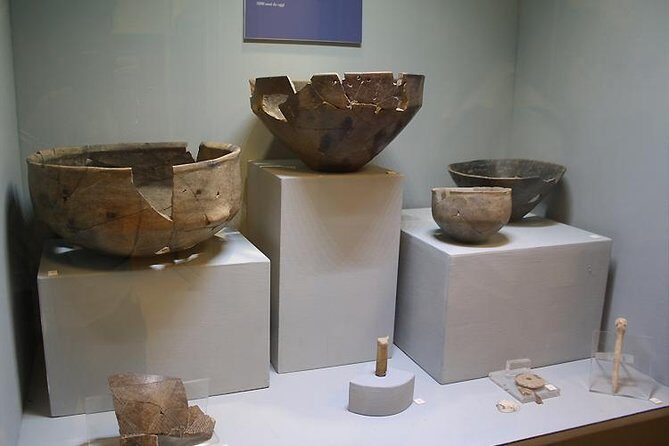
What makes this stop especially valuable is the way it connects excavation work to visible outcomes. You get a guided look at excavations and you’ll have a view of a Byzantine church, plus the rooms where archaeological finds are displayed. That combination matters. Seeing digs is one thing; understanding what they turned into in terms of museum-style interpretation is another.
This is the sort of stop that helps you read the rest of the tour. If you’ve ever visited a church and thought, I know something old is here but I can’t place it, this kind of indoor archaeological briefing can fix that. You’ll start recognizing how layers get studied and then presented.
Potential drawback: this is an active guided segment, so if you’re the type who likes wandering slowly on your own, plan for that. The payoff is clarity, not freedom.



Largo San Sabino and the 49 Block: medieval houses that survived
You continue toward the Segretariato Regionale del Ministero della Cultura (MiC) per la Puglia area, moving on to the so-called 49 Block facing Largo San Sabino. This stop is about 15 minutes, free to enter.
The key idea here is that you’re looking at a complex of medieval houses that stayed intact. It wasn’t only urban housing; the description also connects these buildings to military purposes. That detail is useful because it explains why parts of the Old City can feel both lived-in and defensive.
From a traveler’s perspective, I like stops like this because they teach you to read a street block as a historic object. You’re not only seeing one building; you’re seeing a surviving neighborhood shape. That can make the later wall walk and alley approach feel more coherent.
Il Succorpo della Cattedrale di Bari: where the layers become physical
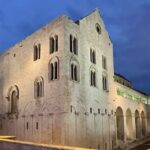
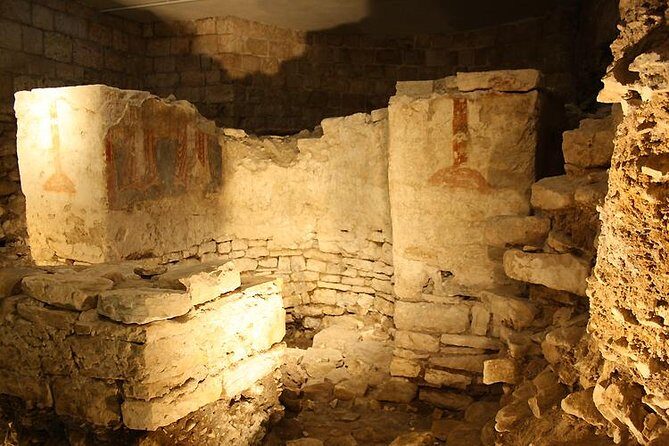
The most time-focused stop is Il Succorpo della Cattedrale di Bari, with about 40 minutes. The entrance ticket is included in the tour price, so you won’t have to figure out extra add-on costs on the spot.
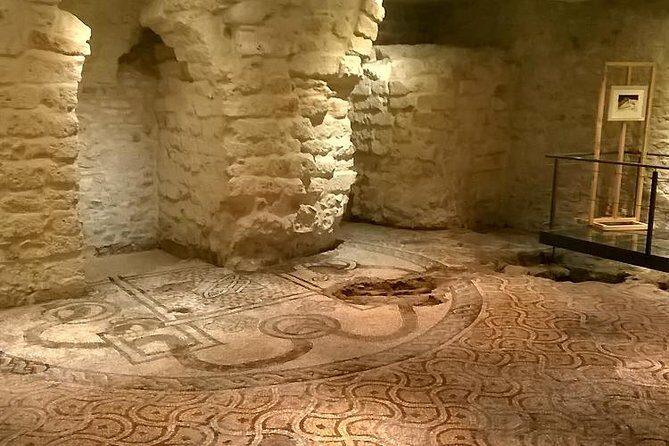
This is the underground complex: you visit the Church of S. Maria, the Byzantine church (Chiesa della Trulla), and the archaeological excavations. That blend is a big deal. You’re moving through a space where religious architecture and archaeological evidence overlap, instead of staying separated like you’d often see in a typical museum visit.
If you want one reason this tour is worth your attention, it’s this stop. You can understand Byzantine-era Bari better when you can move between church space and excavated context in the same guided visit. The tour format also means you’re not left trying to interpret a confusing set of signs or displays on your own.
What to expect: the pace here is designed for “complete visit of the Succorpo” within the set time. So show up ready to pay attention and ask questions if something connects. This is where the tour’s story comes together.
Walking Bari’s wall toward the Old City alleys
After the underground cathedral visit, the experience shifts to a “Walk on the Wall” theme. You’ll continue toward the north along the wall, and that walk sets up the next moment: entering the ancient village with narrow alleys that funnel you toward a small square.
A wall walk changes the way you see a city fast. From above, you get a sense of how the Old City sits, how the streets tighten, and why certain church and block locations make sense. Then you drop back into alley space, and the city starts to feel like a maze you can actually interpret.
Because the tour requires good weather, it’s smart to plan for decent conditions. Outdoor segments mean rain or strong wind can make the route less pleasant.
Piazzetta Santa Maria del Buon Consiglio: ruins in a picturesque pocket
The next stop is Piazzetta Santa Maria del Buon Consiglio. It takes about 30 minutes and includes a visit to the ruins of the Church of Santa Maria del Buon Consiglio, with free admission.
This is a compact payoff after the wall walk. You’ll find the square via narrow alleys, and the setting is meant to feel like a small, quiet corner of the Old City. Then you’ll focus on what’s left of the church ruins—another reminder that Bari’s sacred spaces can exist as archaeological traces as well as functioning buildings.
The tour ends near the ruins at Ruderi di Santa Maria del Buon Consiglio, at Vico Forno S. Scolastica 67, where Roman columns are mentioned near the ending point. That’s a useful detail if you’re planning photos or your next stop; it’s a location that keeps the archaeology theme going visually even after the tour ends.
Who this tour suits best (and who should choose differently)
This is a strong pick if you enjoy churches, archaeology, and interpretive walking routes. It’s also ideal when you want a guided explanation that connects “surface Bari” to “under Bari,” especially at Palazzo Simi and the Succorpo.
It’s a good fit for people who like structure. The stops are timed and sequenced, and the small group size helps you stay together rather than drifting off.
If you hate walking between sites or you’re hoping for long independent time to wander, you might find the pacing less forgiving. Also, because the tour requires good weather, a day with poor conditions can affect comfort during the wall walk.
Finally, if you’re traveling on a tight budget, the mix of free-entry stops plus one included ticket is a practical advantage. You’re not paying repeatedly for entry fees across every stop.
Practical planning tips before you go
- Wear comfortable shoes. You’ll be walking and moving between Old City points, including a wall segment.
- Plan for a weather check. Good weather is required for the experience.
- Book ahead if you can. With an average booking window of 88 days, popular dates can fill.
- Use the mobile ticket. It’s listed as a feature, and it keeps the check-in simple.
- If you have mobility concerns, note that most people can participate, and the tour is designed for a general range of visitors—but you’ll still be on your feet.
Should you book this Bari archaeology tour?
Yes, if you want a guided Bari archaeology experience that feels practical and place-based, not abstract. The combination of church architecture at the start, museum-style excavations at Palazzo Simi, a medieval block that survived as a neighborhood shape, and then the cathedral’s underground layers makes the story easier to follow.
I’d especially recommend it for anyone who likes Byzantine-era clues and wants to see how archaeology and worship spaces overlap. And if you care about value, the mix of free-entry stops plus the included Succorpo ticket makes the $53.36 price feel more like paying for expertise and access, not just entrances.
If you’re visiting in iffy weather or you prefer long, self-directed wandering over a structured route, you may want to compare options. But on a good day, this is one of the better ways to understand Bari’s Old City in a short, focused chunk of time.
FAQ
How long is the Bari archaeology tour?
It lasts about 2 hours 30 minutes.
What’s the price and what admissions are included?
The tour costs $53.36 per person. Admission is free at several stops, and the entrance ticket for Il Succorpo della Cattedrale di Bari is included in the tour price.
Do I get a mobile ticket?
Yes, the tour offers a mobile ticket.
Where does the tour start and end?
It starts at Largo Chiurlia, 70122 Bari BA, Italy, and ends at the Ruderi di Santa Maria del Buon Consiglio (Vico Forno S. Scolastica, 67, 70122 Bari BA, Italy).
What’s the maximum group size?
The tour has a maximum of 20 travelers.
What is the cancellation policy?
Free cancellation is available. You can cancel up to 24 hours before the start time for a full refund.
What happens if the tour is canceled due to weather?
The experience requires good weather. If it’s canceled due to poor weather, you’ll be offered a different date or a full refund.