Altamura makes history feel close. In about two hours, this walk threads you through the medieval cathedral linked to Frederick II and into the town’s bread-making tradition tied to old wood-burning ovens, with a guide who helps it all click. The main thing to consider is time: it’s a short tour, so you won’t get long, lingering stops inside every church or nook.
What I like most is that you can set the pace and focus, then choose a morning or afternoon slot that fits your day. It’s also a true private experience for your group (up to 15), with a mobile ticket and a meeting point right in the historic area, Piazza Zanardelli.
In This Review
- Key highlights that make this walk worth your time
- Getting oriented in Centro Storico di Altamura (before you get lost)
- The medieval Cathedral of Altamura and Frederick II context
- Passing key churches: St. Blaise, St. Nicholas, and the Greek Church
- The bread-baking trail: old wood-burning ovens on backstreets
- Focaccia time in traditional bakeries (own expense, best used wisely)
- Custom pace and the value of a private group (up to 15)
- Price and logistics: what $244.35 per group buys you
- When to go: morning vs afternoon based on how you travel
- Who this Altamura walking tour fits best
- Should you book this Altamura walk?
- FAQ
- How long is the Altamura walking tour?
- What’s included in the price?
- Is this tour private, and how large is the group?
- Where does the tour start and end?
- Is the focaccia tasting included?
- Can I cancel and get a refund?
Key highlights that make this walk worth your time
- Two hours, tight route: You’ll cover the medieval core fast, without feeling rushed by a strict agenda.
- Frederick II at the center: The cathedral stop comes with context that turns stonework into story.
- Bread culture you can smell: Expect a guided hunt for old wood-burning ovens still connected to local cooking traditions.
- Church variety in one loop: You’ll pass major sites like St. Blaise, St. Nicholas, and the Greek Church.
- Your pace, your priorities: Focus on the parts you care about most, then move on.
- Focaccia tasting time is optional: You can pop into traditional bakeries, but you pay for your own treats.
Getting oriented in Centro Storico di Altamura (before you get lost)
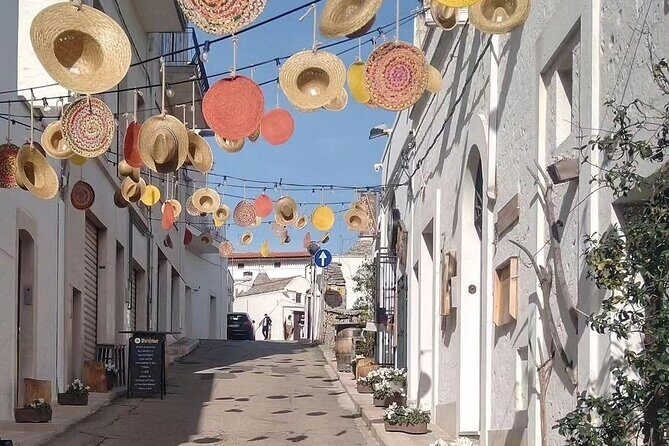
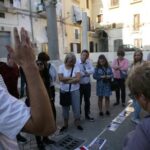
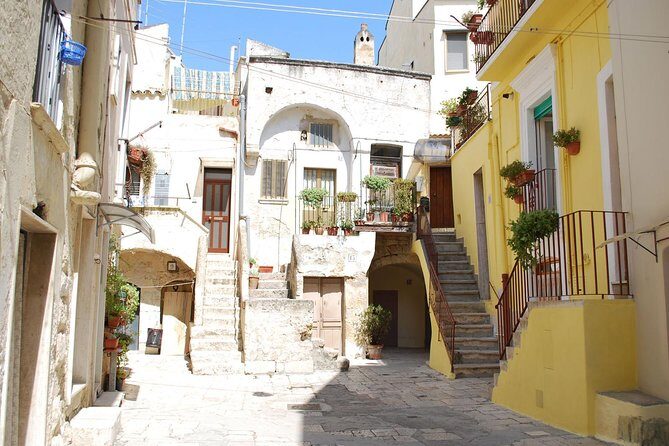
Altamura’s old town is exactly the kind of place where a map can slow you down. Streets twist, levels shift, and a gate you pass once may matter more than it looks. This tour starts you in the right spot and keeps you moving in a way that helps you understand what you’re seeing as you go.
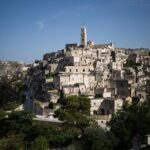
You’ll enter the historic center through one of the ancient gates, which is a small moment that really helps the bigger picture. Instead of starting with a single monument, you get the sense that the town was designed for movement, commerce, and daily life long before cars arrived.
And since you’re with a licensed guide, you don’t just look at buildings. You learn what to notice: architectural styles, why certain churches are where they are, and how the town’s medieval identity shaped everyday routines—especially food.
Other Bari walking tours we've reviewed in Bari


The medieval Cathedral of Altamura and Frederick II context
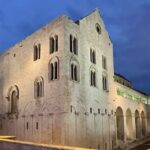
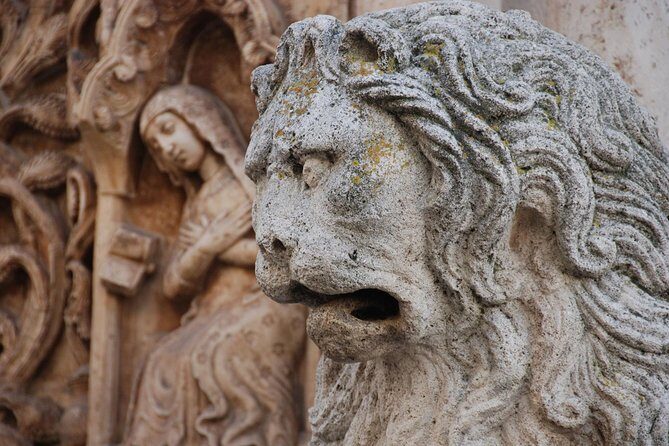
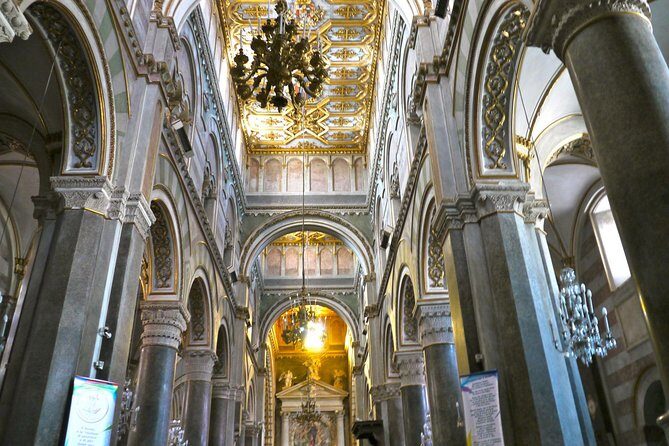
The centerpiece is the Cathedral of Altamura, tied to the era of the Holy Roman Empire and associated with Emperor Frederick II of Hohenstaufen. This is one of those stops where a guide makes a huge difference, because you’ll walk in with less “what am I looking at?” and more “ah, I see why this matters.”
As you move through the cathedral area, you’ll learn how it fits into the political and cultural world that produced it. Even if you only have a short window, this kind of background gives you a framework for your photos and your memories.
Practical tip: because the tour is around two hours total, you’ll want to decide early what you care about most—cathedral details, church exteriors, or the bread/oven theme. The guide can adjust the pace and focus, so you’re not stuck doing the same thing at the same speed as everyone else.
Passing key churches: St. Blaise, St. Nicholas, and the Greek Church
Altamura isn’t one single landmark; it’s a cluster of sacred buildings that show the town’s different influences. On this walk, you’ll see several major ones, including St. Blaise and St. Nicholas, plus the Greek Church.
Here’s why this matters for you: when multiple churches sit within walking distance, you start noticing patterns. You begin to see how communities lived side by side, and how religious and cultural identity showed up in architecture and naming. Even if you’re not a “church person,” the guide’s explanations can turn these into readable history.
One detail to keep in mind: churches can be active spaces or have rules about behavior and movement. Plan to dress respectfully and keep your phone and camera handy, but not intrusive. This is a walking tour built around old streets—so you’ll be going in and out of sightlines more than you’ll stand in one spot.
The bread-baking trail: old wood-burning ovens on backstreets
If you only remember one theme from this tour, make it bread. The big idea here isn’t just that Altamura is known for baking. It’s that the town’s food culture is tied to practical, physical details you can still track in the streets.
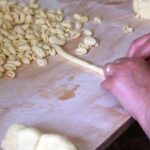
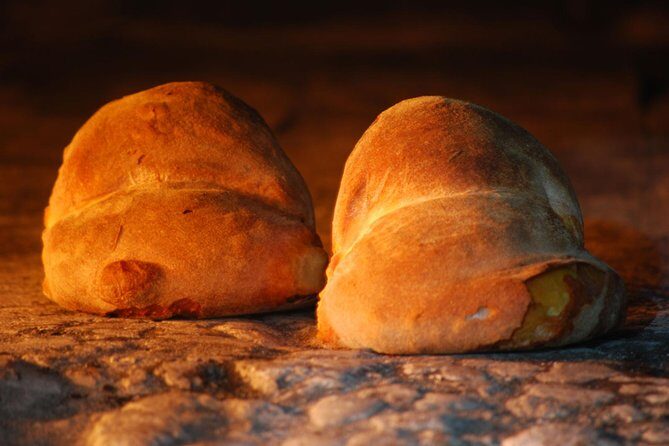
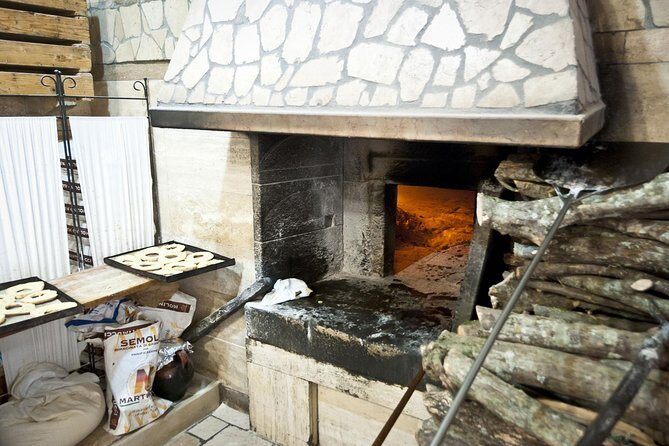
During the walk, you’ll hunt for old wood-burning ovens, and the guide will connect what you’re seeing to how bread and focaccia have been cooked and shared for generations. This is one of the best ways to learn a food tradition without falling into the usual food-tour script. You’re not just told a story; you’re guided to specific places where the story happened.
For you, that means you can taste with context later. A focaccia stop isn’t just a snack. It becomes a kind of edible footnote to everything you just saw.
What to expect: the oven spots are discovered as part of the walk through the historic area, not as a separate ticketed attraction. You’ll be on foot, moving through tight alleys where the route matters almost as much as the points of interest.
Focaccia time in traditional bakeries (own expense, best used wisely)
You’ll have time to pop into traditional bakeries to sample focaccia and other treats. Since tastings are own expense, the smarter move is to treat this like a short, focused tasting mission—not a full meal.
If you want to get the most out of it:
- Go for one savory focaccia option and one sweet or seasonal item, if available.
- Take the first bite immediately after purchase so you get the texture at its best.
- If the shop looks busy, don’t panic. This tour’s pacing leaves you time to step in and out.
One helpful clue from a recent dining recommendation: after the walk, some people pair Altamura bread with a proper sit-down meal at Trattoria del Corso. That recommendation specifically mentioned home-style cooking and a long run of appetizers plus homemade pasta. So if you’re staying in the area and want the bread theme to continue, plan your timeline so you don’t feel rushed right after the two-hour walk.
Other Altamura & Murgia tours we've reviewed in Bari

Custom pace and the value of a private group (up to 15)
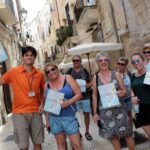
This is listed as a private tour/activity, meaning only your group participates. Group size is capped at up to 15, which sounds big on paper until you remember the reality of old-town walking: narrow streets don’t scale well. Smaller groups usually mean better flow, easier photo stops, and more chances for the guide to answer questions.
The best part for many people is control. The tour is designed so you can customize the pace and focus. If you’re more into architecture, you can lean that direction. If the bread and oven theme is your main interest, the guide can keep nudging you toward the right spots.
Also, you’re not locked into one rhythm. One recent group praised an energetic guide named Stefania for being flexible with the schedule and for good humor that made the tour feel engaging rather than scripted. While you might not get the same guide, the general format—energy plus adaptability—is clearly part of what people love about this experience.
Price and logistics: what $244.35 per group buys you
At $244.35 per group (up to 15), this tour is best thought of as a guide-led historical walk with a food culture thread. The pricing can be a bargain if you’re traveling with a few people who will split the cost, since you’re effectively paying for a private guide plus a focused two-hour route.
The important trade-off: private transportation and lunch are not included. That’s not a dealbreaker, but you should plan around it. You’ll be walking, so wear comfortable shoes. For food, you’re looking at your own expenses for bakery tastings, and if you want lunch, you’ll need to budget separately.
Other practical notes that affect your experience:
- You’ll use a mobile ticket.
- The meeting point is Piazza Zanardelli, 70022 Altamura BA, Italy, and the walk ends back at the meeting point.
- It’s near public transportation, which helps if you’re fitting this between other stops.
- Booking tends to happen ahead of time (on average about 67 days), so if your dates are fixed, don’t wait for the last minute.
When to go: morning vs afternoon based on how you travel
You can opt for either a morning or afternoon tour, and that matters more than it sounds. In old towns, light affects photos, but so does energy. Morning often feels easier for steady walking, while afternoon can work better if you want a slower start and more time for snacks afterward.
If you’re the type who likes to connect the tour to what you’ll eat next, choose the time slot that leaves you room to return to bakeries or add a meal later. A two-hour walk goes quickly, and you’ll want time to enjoy the bread you came for, not just grab it and run.
Who this Altamura walking tour fits best
This tour is a strong fit if you:
- Want a short, structured way to understand Altamura’s medieval core.
- Like history that’s tied to everyday life, not just famous names.
- Care about bread culture and want the why behind it.
- Prefer a private experience where you can steer the pace.
It also works well for people who don’t want a heavy day of museum time. Instead of long ticket lines or sprawling routes, you get a focused walking loop with key stops and clear themes.
Should you book this Altamura walk?
I’d book it if you want two hours to feel like you learned the town’s language: cathedral details, church variety, and the bread/oven thread that ties it all together. The price makes the most sense when a group shares it, but even as a solo or couple, the guided structure can save you from wandering aimlessly through alleys that all look similar until someone explains what matters.
Skip it or think twice if you need long indoor visits or you’re hoping for a transportation-included day. This is a walking experience. Plan comfortable shoes, plan for bakery spending, and plan to keep your expectations aligned with a quick, high-value route through the Centro Storico.
If you’re the kind of traveler who loves learning how people lived—especially through something you can taste—Altamura’s medieval streets are ready for you.
FAQ
How long is the Altamura walking tour?
The tour lasts about 2 hours.
What’s included in the price?
You get a licensed guide. Admission Ticket is listed as free for the main stop, but private transportation and lunch are not included.
Is this tour private, and how large is the group?
Yes, it’s a private tour/activity with only your group participating. The group size is up to 15.
Where does the tour start and end?
It starts at Piazza Zanardelli, 70022 Altamura BA, Italy, and ends back at the same meeting point.
Is the focaccia tasting included?
You’ll have time to pop into traditional bakeries to sample focaccia and other treats, but those purchases are at your own expense.
Can I cancel and get a refund?
Yes. You can cancel up to 24 hours in advance for a full refund. If you cancel less than 24 hours before the start time, the amount paid is not refunded.