REVIEW · BARI
DISCOVERY OF PUGLIA Small Group Tour: 8 Days / 7 Nights
Book on Viator →Operated by Go in Italy · Bookable on Viator
Puglia can feel like a lot. This small-group trip turns it into a smooth route, with UNESCO stops and hands-on food experiences built in from day one. You start in Bari, then work your way through Matera’s stone alleys, trulli in Alberobello, Baroque Lecce, and the coast at Otranto and Gallipoli.
Two things I really like about this tour are how much it feeds you and how much it saves you from logistics. You get wine/cheese/olive-oil tastings plus mostly included meals, and you don’t have to plan the driving or chase tickets. The second big win is the human factor: Gaetano Barone (driver/guide) is repeatedly praised for keeping things organized, friendly, and on schedule, so the group stays comfortable even on long travel days.
One thing to consider: this is not recommended for vegans, and the tour also asks that you inform the operator about allergies/dietary restrictions so the right arrangements can be made. If you need very strict plant-based meals, you’ll want to think carefully before you book.
In This Review
- Key points to know before you go
- A smooth Puglia route, run by Gaetano Barone
- Day 1: Matera + a Basilicata vineyard with a centuries-old crypt
- Day 2: Alberobello walking tour, then trullo nights
- Day 3: Martina Franca masseria class (mozzarella and burrata) to Lecce Baroque
- Day 4: Otranto cathedral mosaics and a vineyard restaurant lunch
- Day 5: Galatina church and Gallipoli’s underground olive mill
- Day 6: Ostuni fossil museum, Aragonese views, and Polignano coffee
- Day 7: Castel del Monte octagon tour and sea-edge Trani
- Price and value: what you’re really paying for
- Who this tour fits best (and who should think twice)
- Should you book Discovery of Puglia from Bari?
- FAQ
- Where does the tour start, and what time does it begin?
- What UNESCO sites are included?
- How many nights will I sleep in a trullo?
- What meals and tastings are included?
- Is the tour vegan-friendly?
- How large is the group?
- What happens if the tour is canceled due to weather or not enough people?
Key points to know before you go
- Two nights in a trullo in Alberobello, so you’re not just passing through the scenery
- UNESCO trio: Matera, Castel del Monte, and Alberobello, with guided time at each site
- Food-forward days: mozzarella/burrata hands-on class, olive oil tasting, and multiple lunches with wine
- Local-guided walking time in Lecce, Otranto, Galatina, and more, rather than quick photo stops
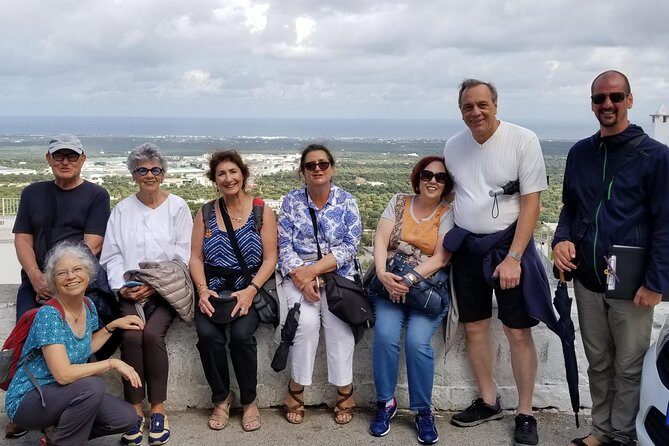
- Small group size (max 15), which helps the pacing feel human instead of like cattle-calls
- Bari as your anchor at the end, plus a farewell group dinner that pulls everyone together
A smooth Puglia route, run by Gaetano Barone
The best part of this tour isn’t a single sight. It’s how the whole week is stitched together so you can focus on what you came for: places, people, and food.
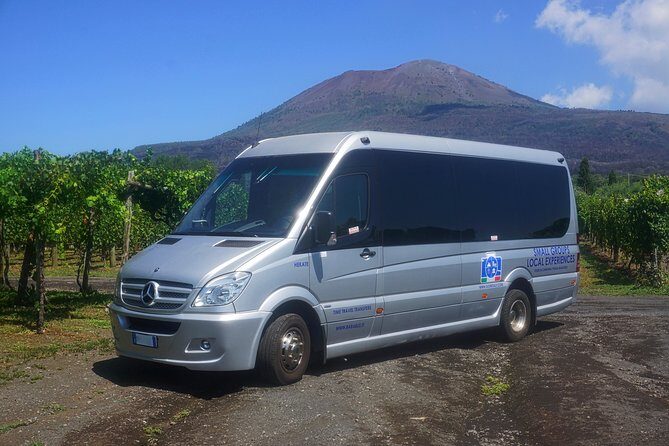
Transportation is handled with private driving, and the group stays small (up to 15). That means fewer waiting games and more time actually walking the old centers—Matera’s Sassi lanes, Lecce’s baroque streets, and the stone-packed feel of Alberobello and the nearby towns. It also helps when days are packed. You’ll still move, but the pace is planned, not improvised.
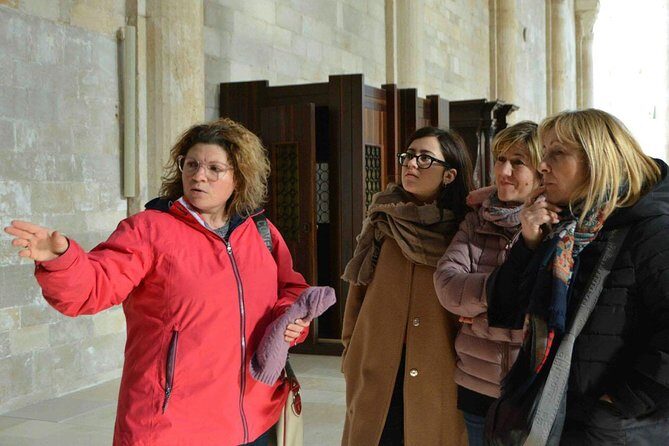
The other reason this works is the guiding team. You’ll have an experienced Go in Italy driver/tour leader plus local guides for key areas like Alberobello, Lecce, Otranto, Galatina, and Castel del Monte. In the reviews, Gaetano Barone comes up again and again for being organized and personable, and that matters on a trip like this where navigation would otherwise chew up your energy.
If you're still narrowing it down, here are other tours in Bari we've reviewed.

Day 1: Matera + a Basilicata vineyard with a centuries-old crypt
You start with a full day that mixes culture and craft, then lands you in the UNESCO time machine of Matera. First, you head from Bari toward Basilicata wine country for a visit to a vineyard and its Crypt of the Original Sin, known for frescoes dating to the 9th century. You’ll get a short guided look and then enjoy lunch with locally sourced food paired with the vineyard’s wine.
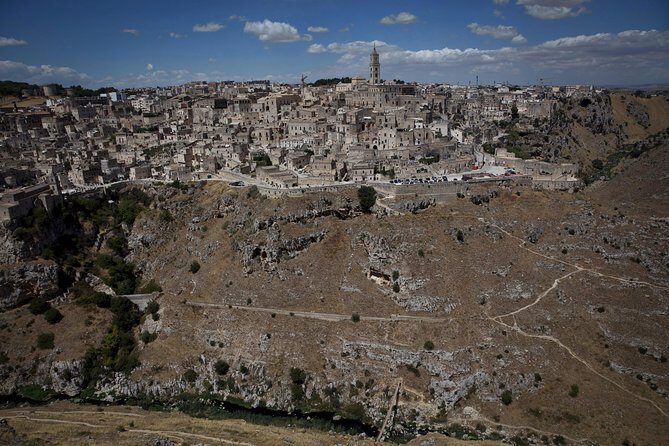
After that, you arrive in Matera and walk the Sassi—the narrow streets and old homes carved from tufa rock. A guided stroll here is crucial. Matera is beautiful, but it can also be confusing without context. The guide helps you see why the caves, churches, and street maze tell a story that’s still readable today.
Possible drawback: this is a long day before you even reach the trulli region. Between vineyard time, lunch, Matera walking, and the drive onward, you’ll likely want to travel light and keep your energy for the walking sections.
Day 2: Alberobello walking tour, then trullo nights
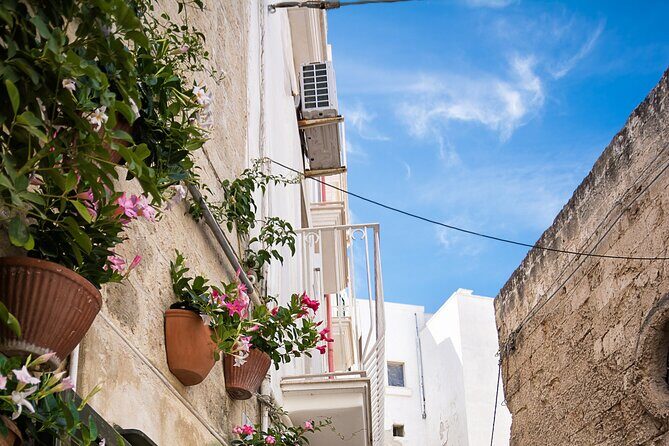
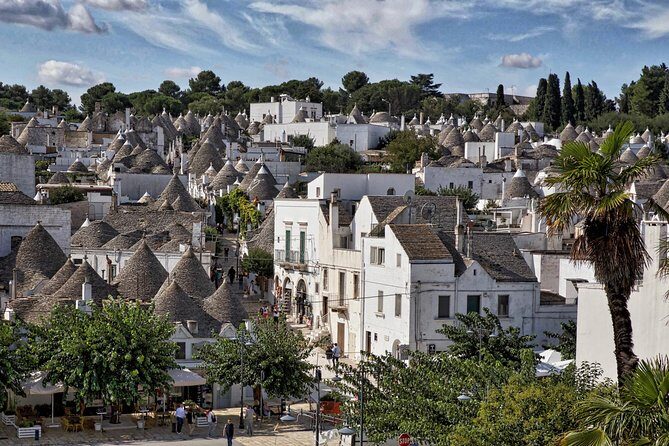
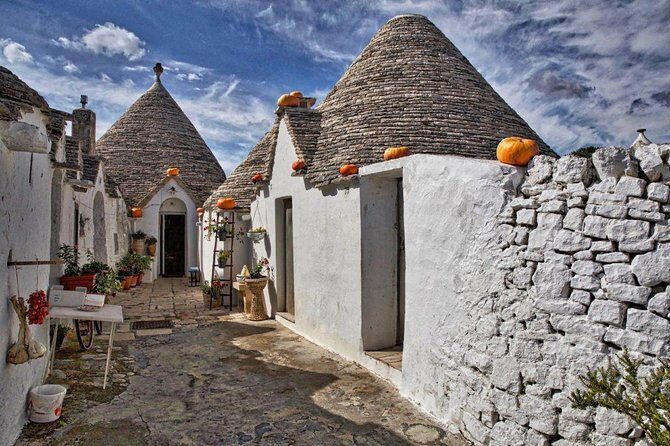
Alberobello is the kind of place you’ll recognize instantly—white stone walls, conical roofs, and that unmistakable trullo look. On day two, you start with an in-depth walking tour with a local guide, then you get free time to explore and shop at your own pace.
This free block matters. Alberobello can feel “staged” if you only rush through. With time on your side, you can slow down and notice the details that make the trulli special: doorways, stonework, and the way the rooftops shape the streets.
The big value here is that you don’t just see the trulli. This tour includes two nights in a traditional trullo in Alberobello. Staying overnight changes your experience. Late-day light and early-morning quiet let the area feel less like a photo set and more like a real village.
Tip: book with comfort in mind. Even with guided time, you’ll still walk cobblestones and uneven surfaces. If you have shoe preferences, bring your best walking pair.
Day 3: Martina Franca masseria class (mozzarella and burrata) to Lecce Baroque
Day three shifts from trulli into food culture and then lands you in one of Puglia’s most architectural cities: Lecce. Morning is at a masseria (dairy farm) in Martina Franca, where you’ll take a hands-on cheese class to learn how mozzarella and burrata are made. The included lunch, paired with wine, keeps this day grounded in the real work behind the dishes.
Then it’s on to Lecce. You settle into a centrally located hotel, and a local guide takes you on a walking tour focused on Lecce’s architecture, culture, and history. Lecce is famous for its Baroque stonework, and the guide’s job is to help you read it—how the facades and details relate to the city’s story.
If you like your travel days to include both craft and walking, this is a strong combo. If you’d rather keep mornings slow, you may find the sequence full: class, lunch, then city transfer and an orientation walk.
Day 4: Otranto cathedral mosaics and a vineyard restaurant lunch
Today you drive to the “heel” of Italy: Otranto. The highlight is a cathedral known for its Tree of Life mosaics—a visual feast that’s easy to appreciate even if mosaics aren’t your main interest. After that, you’ll have time to stroll around Otranto on your own for browsing and local handicrafts.
Lunch is another story. You’ll go to a restaurant known for serving fresh seasonal local produce, paired with wines from their own vineyard. This is one of the reasons I like this tour’s structure. It doesn’t just drop you at famous sights; it builds meals around regional production.
Back in Lecce, you get free time to explore more at your own pace. That balance—guided time plus breathing room—keeps the city from feeling like a checklist.
Practical note: you’ll likely be walking after the cathedral visit and during your Otranto stroll. Bring a light layer, since sea-area weather can shift quickly even when the day starts warm.

Day 5: Galatina church and Gallipoli’s underground olive mill
If you want Puglia beyond the postcard basics, day five delivers. First stop is Galatina, known for the extraordinary 14th-century Church of Saint Catherine of Alexandria. The guide helps you focus on what matters here: how the building’s age shows in the details, and why this church is worth the detour.
Next is Gallipoli, where you’ll visit the cathedral and the Frantoio Ipogeo, an ancient underground olive mill carved from stone. Underground experiences add variety on a trip like this. You go from surface streets to a hidden production space that explains how olive oil was made long before the modern world had machines.
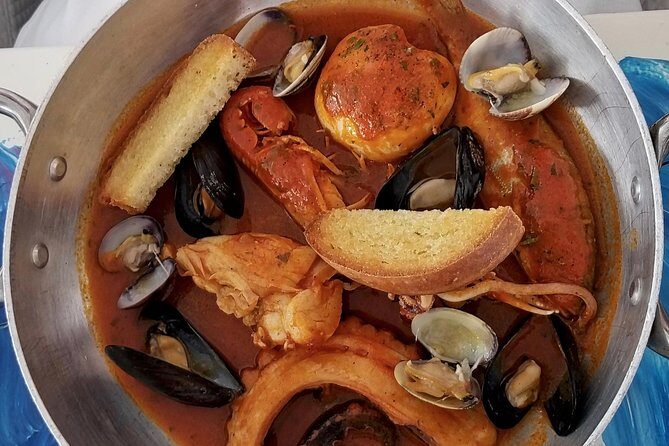
Lunch is included at an osteria in Gallipoli’s historic center, with an emphasis on seafood. After that, you return to Lecce and keep the evening free—good for a late dinner, a slow walk, or just resting your feet.
Possible drawback: two distinct towns in one day can feel intense. If you’re easily tired by back-to-back sightseeing, plan to take the free evening seriously. Sit down. Eat slowly. Let Lecce cool your pace.
Day 6: Ostuni fossil museum, Aragonese views, and Polignano coffee
Day six is where the trip leans into variety: hill towns, museum stops, a family-run olive oil visit, and then the coast. First up is Ostuni, the white hilltop city. You’ll visit a small museum featuring fossilized remains of Delia, described as being 25,000 years old. It’s a strange and fascinating pause—one that gives you a sense of deep time beyond human architecture.
Lunch comes with a view: you’ll eat at a restaurant located in a 15th-century Aragonese donjon, with panoramic scenery. After lunch, you visit a family-run olive oil business to learn about production and taste different types of olive oil. There’s also an opportunity to buy local products.
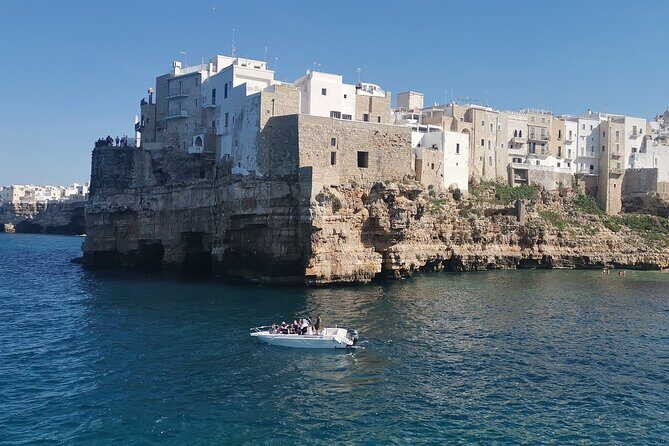
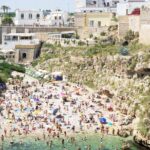
Then you head to Polignano a Mare. You explore the historical center and try Caffè Speciale di Polignano a Mare, plus see a statue of Domenico Modugno, the singer associated with Volare. The coffee stop is small, but it’s exactly the kind of moment that makes a tour feel lived-in.
You end by driving back to Bari and checking into your hotel. That transition is smart: by the time you’re ready to relax and eat on your own, you’re based back in a city with more options.
Day 7: Castel del Monte octagon tour and sea-edge Trani
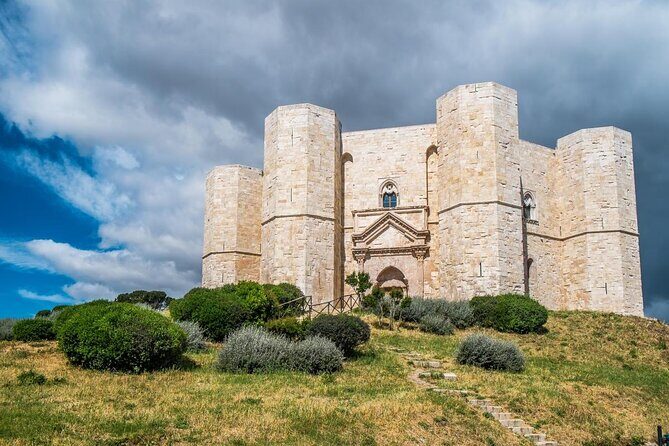
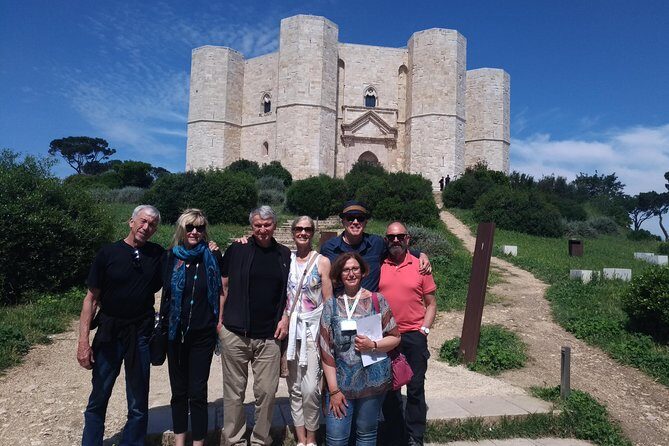
This is your UNESCO finale day: Castel del Monte. You visit it with a guided tour, and it’s famous for its octagonal design—an unusual medieval castle form that makes the structure feel almost like a puzzle. Even if you’re not a castle person, the guided context helps you understand why it’s such an icon.
After that, you drive to Trani to check out the cathedral built at the sea’s edge. You can choose to have lunch there, then you return to Bari.
The day ends with a farewell group dinner. That final meal matters more than you’d think. After several towns and lots of included meals, this gives the group a shared closing moment. If you’ve liked the food and the pacing all week, this dinner is a satisfying wrap.
Price and value: what you’re really paying for
The price—$5,961.24 per person—is not “budget Italy.” This is a higher-end small-group style trip, and you should read the value in what’s included, not just the headline number.
What you get for that price:
- Private transportation throughout the route
- Local guides in several key towns (Alberobello, Lecce, Otranto, Galatina, Castel del Monte)
- Entrance fees to included attractions
- Accommodations: five nights in 4-star/5-star hotels plus two nights in a trullo
- Meals and tastings: breakfast daily (7), lunch included multiple days (5), and two dinners, plus wine/cheese/extra virgin olive oil tastings
That’s why the tour can feel like good value even when the upfront cost is high. You’re not paying separately for all the tickets, you’re not arranging private drives, and you’re not scrambling for reservation timing in each town. If you want a food-and-sight itinerary that runs cleanly, this is the kind of structure that saves you stress and decision fatigue.
One consideration: alcoholic drinks are only included when stated. Plan on budgeting for extra drinks if you like pairing wine with every meal.
Who this tour fits best (and who should think twice)
This works best for you if:
- you want UNESCO sights plus classic towns without planning each day yourself
- you care about regional food (cheese making, olive oil tasting, lunches with wine)
- you prefer small-group dynamics over big buses
- you enjoy guided walking time in historic centers
It may not fit as well if:
- you’re a vegan traveler (the tour explicitly notes it’s not recommended)
- you have complex dietary needs and haven’t planned to inform the operator early
- you want total freedom each day with no set program (this is organized, and that’s the point)
If you like your travel with structure, this one is a strong match.
Should you book Discovery of Puglia from Bari?
I’d book this tour if your ideal Puglia trip includes three UNESCO anchors, Baroque Lecce, coastal day trips, and food experiences that feel hands-on—not just a meal you eat and forget.
If your top priority is maximum independence or you need a vegan-first menu, you should look elsewhere or ask very direct questions before booking. And if you hate walking, think twice: many days include guided walking and short strolls in old stone towns.
For the right traveler, though, this is a smart way to see the region without turning your vacation into a spreadsheet. The combination of trullo nights, Gaetano Barone’s organized guiding, and a steady rhythm of sights plus tastings is exactly the kind of trip that leaves you with memories that stick.
FAQ
Where does the tour start, and what time does it begin?
The tour meets at Corso Cavour, 32, 70122 Bari BA, Italy, with a start time of 8:30 am.
What UNESCO sites are included?
This tour includes visits to three UNESCO World Heritage Sites: Castel del Monte, Alberobello, and Matera.
How many nights will I sleep in a trullo?
You’ll stay two nights in a traditional trullo in Alberobello, and five additional nights in 4-star and 5-star hotels.
What meals and tastings are included?
You’ll have breakfast 7 times, lunch 5 times, and dinner 2 times. The tour also includes wine, cheese, and extra virgin olive oil tastings.
Is the tour vegan-friendly?
The tour is not recommended for vegans. If you have allergies or dietary restrictions, you’ll need to inform the operator so accommodations can be considered.
How large is the group?
The tour has a maximum group size of 15 travelers.
What happens if the tour is canceled due to weather or not enough people?
The experience requires good weather. If it’s canceled due to poor weather, you’ll be offered a different date or a full refund. If the minimum number of travelers isn’t met, you’ll also be offered a different date/experience or a full refund.