REVIEW · BARI
Bari: Alleys of the Ancient Village Exploration Tour
Book on GetYourGuide →Operated by Baritours · Bookable on GetYourGuide
Bari’s alleys have a gravity of their own. You’ll walk a true maze of old-town streets with an art-focused guide, and I especially like how the route ends at major churches while still keeping the vibe local. The other standout for me is the focaccia and Peroni tasting, served as part of Bari’s everyday culture, not a tourist add-on. The one thing to plan for: you’re on your feet the whole time, on narrow lanes, so wear shoes you trust.
This is the kind of 1.5-hour tour that helps you get your bearings fast—starting at Piazza del Ferrarese, then moving through squares and into Bari Vecchia. If you like architecture, symbols, and the stories that explain why people care about these buildings, you’ll get a lot for your time. One more note: it runs in light rain, so bring your umbrella and keep your camera handy.
I also like the language setup. The tour’s guide can work in Spanish, Italian, English, and French, and there’s interpreter support if you need it, which keeps the experience flowing even with mixed-language groups (I’ve seen guides handle this smoothly, including with Spanish-speaking groups led by Fabio and Marco).
In This Review
- Key highlights you’ll actually feel
- Starting in Piazza del Ferrarese: why the meeting point matters
- Piazza Mercantile and the walk toward Bari Vecchia
- Into the narrow alleys: how to enjoy the maze without getting lost
- Cattedrale di San Sabino: the oldest church stop you’ll remember
- Basilica di San Nicola: architecture plus devotion, not just sightseeing
- The focaccia and Peroni tasting: why this small stop is a big deal
- Pace and timing: 1.5 hours in the real Bari rhythm
- Price and value: is $94 per person worth it?
- Who this tour suits best (and who might want a different plan)
- What to bring so the experience stays comfortable
- Should you book the Bari alleys exploration tour?
- FAQ
- Where does the tour start?
- How long is the Bari alleys tour?
- What does the price include?
- Is transportation included?
- What languages is the tour offered in?
- What should I bring?
- Does the tour run in bad weather?
Key highlights you’ll actually feel
- A starting point that makes sense: Piazza del Ferrarese, outside the excavation area, so you don’t waste time hunting for the group.
- Churches with real context: you’ll reach Cattedrale di San Sabino and Basilica di San Nicola with explanations tied to art and devotion.
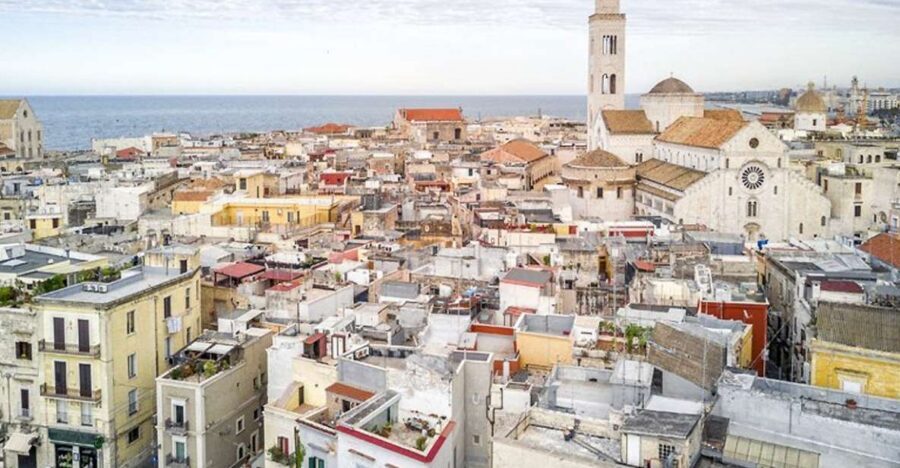
- Bari Vecchia on foot: narrow alleys between major squares, so you see the city’s shape instead of just its postcards.
- Focaccia + Peroni as a local ritual: a short tasting that grounds the history in daily life.
- Language support that keeps you included: the tour offers multiple languages, plus interpretation support when groups need it.
Starting in Piazza del Ferrarese: why the meeting point matters

The tour begins in front of an information totem next to the excavation in Piazza del Ferrarese. That location is smart because it anchors you in the city’s layers—archaeology at one end, living Bari at the other. If you arrive a few minutes early, you’ll have an easier time matching the group and finding the guide fast.
From there, you start in an area tied to older names (Piazzetta d’Armi is mentioned as the past reference). That detail matters because it trains your eye: you stop thinking of the old town as a single “pretty district” and start seeing it as a place that kept evolving.
If you're still narrowing it down, here are other tours in Bari we've reviewed.

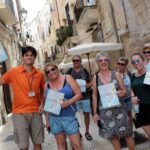
Piazza Mercantile and the walk toward Bari Vecchia
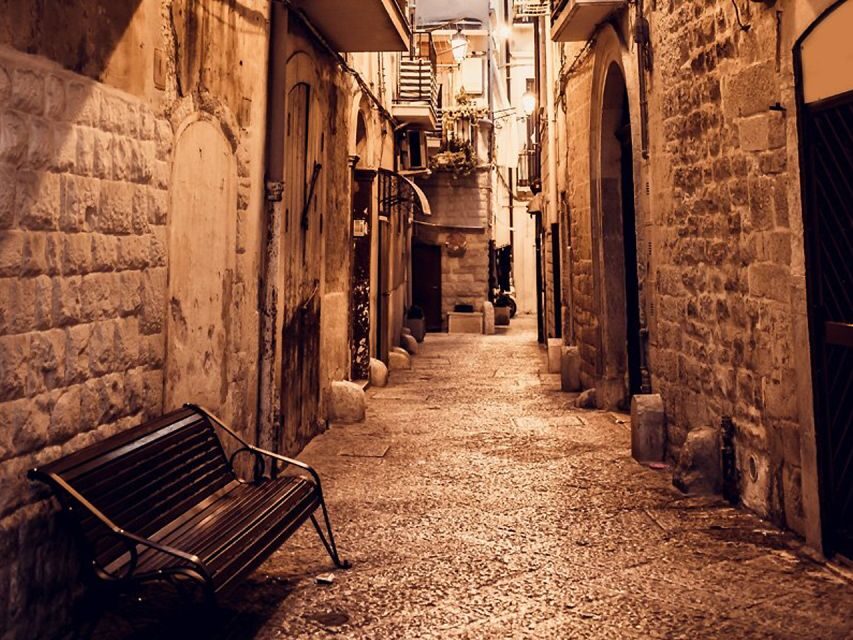
After the initial orientation, you move toward Piazza Mercantile, described as the old gateway to Bari’s ancient village area. This is one of those moments where the walk becomes more than scenic. A “gateway” is rarely just a spot on a map—it’s where city life funnelled in and out.
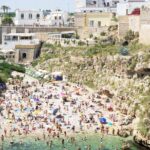
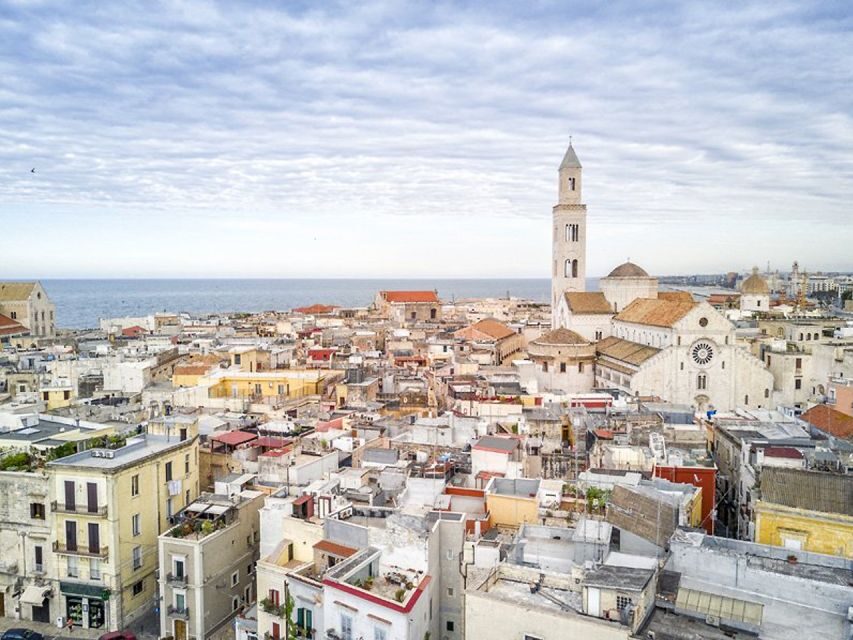
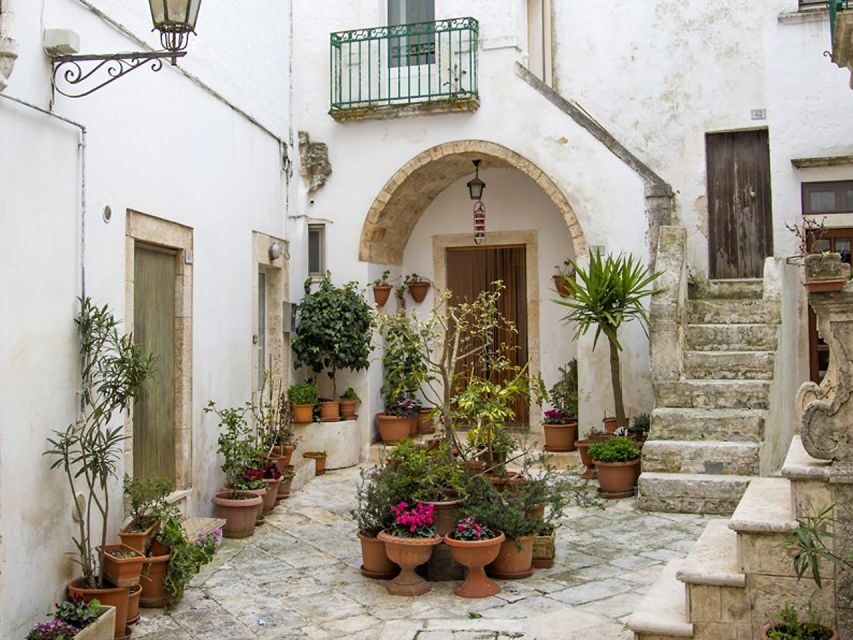
Then you head into what’s known as Bari Vecchia, and this is where the tour earns its name. The route narrows into the famous alley network, and you can feel the change in atmosphere as the streets get tighter and the views compress. For me, that’s the point: Bari’s charm isn’t only in big façades. It’s in how the streets choreograph your movement.
A good guide helps you notice details you would miss alone—things like architectural cues, religious symbolism, and the reasons one square leads to another. In prior group experiences with guides such as Fabio and Francesca, the consistent theme was that they pointed out subtle stuff and made it feel readable, even in busy lanes.
Practical tip: if you’re someone who takes photos constantly, set a rhythm. Stop, look, listen, then shoot. Narrow alleys are fun, but they’re also easy to rush through if you’re chasing the next angle.
Into the narrow alleys: how to enjoy the maze without getting lost
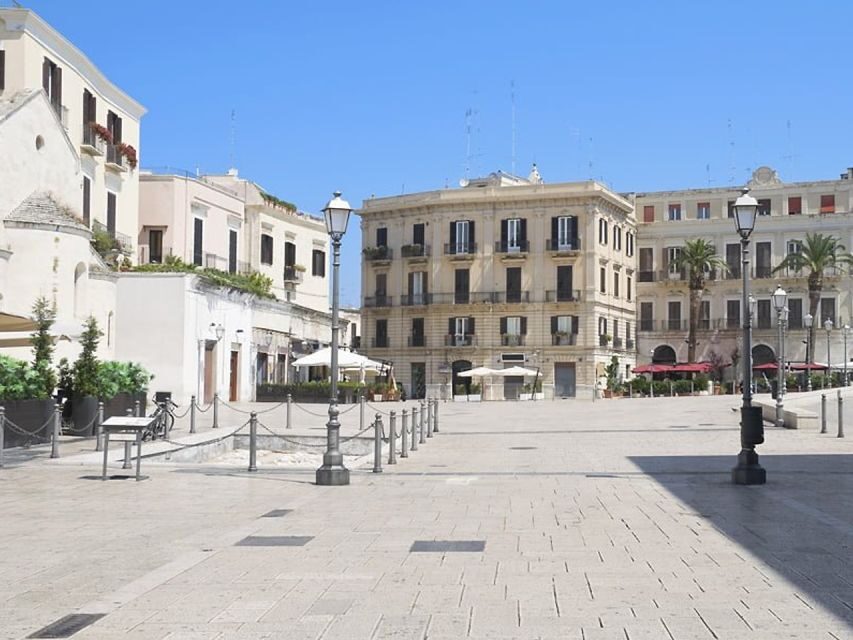
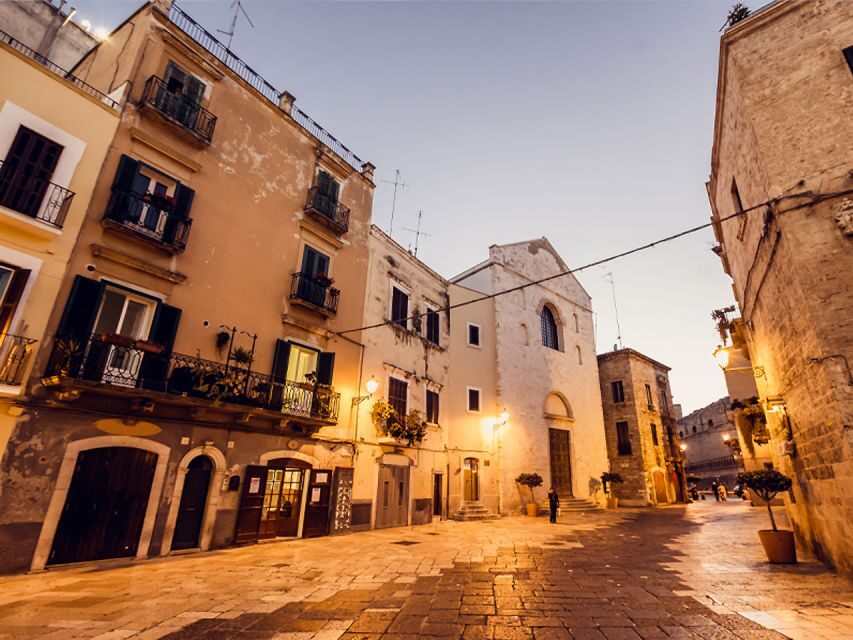
You’ll walk through narrow alleys of the old town, and the guide’s job is basically to keep the story straight while you follow the turns. This matters because Bari can feel like a maze until you understand how the route is structured around major landmarks.
What I like about this approach is that the alleys aren’t treated as filler between highlights. They’re the connective tissue. As you move through them, the guide helps you link what you see—street geometry, building façades, and church locations—to the city’s bigger historical logic.
Also, the tour is short enough that you won’t feel trapped for hours in a single neighborhood. In 1.5 hours, you get enough walking to feel the old town, but not so much that your legs completely revolt.
Cattedrale di San Sabino: the oldest church stop you’ll remember
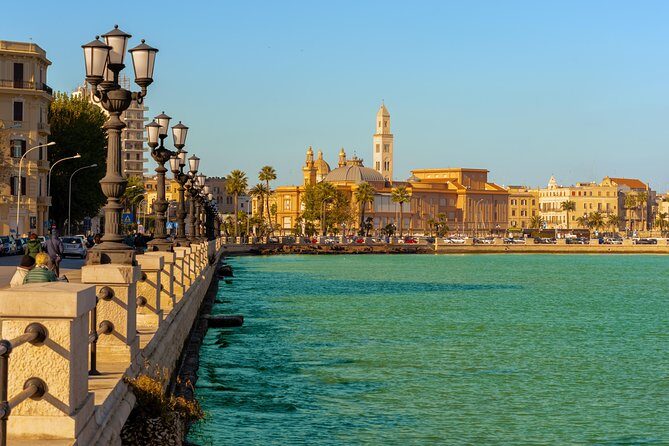
The tour’s next big milestone is the Cattedrale di San Sabino, described as the oldest church in Bari. When you reach it, you get that clean visual reward: the white façade is the kind of sight that makes people slow down automatically.
But the real value is what the guide brings to the building. You’re not just told where the cathedral is—you’re guided through its secrets and context. That means paying attention to the façade, the architectural choices, and how the church fits into Bari’s religious identity.
If you enjoy religious architecture, you’ll appreciate how this stop connects the earlier walking with deeper meaning. The alleys brought you close to the city’s everyday texture; the cathedral gives you the “why” behind that texture.
One consideration: churches often attract visitors, so bring patience if you need a moment to frame your photos or step aside for explanations.
Basilica di San Nicola: architecture plus devotion, not just sightseeing
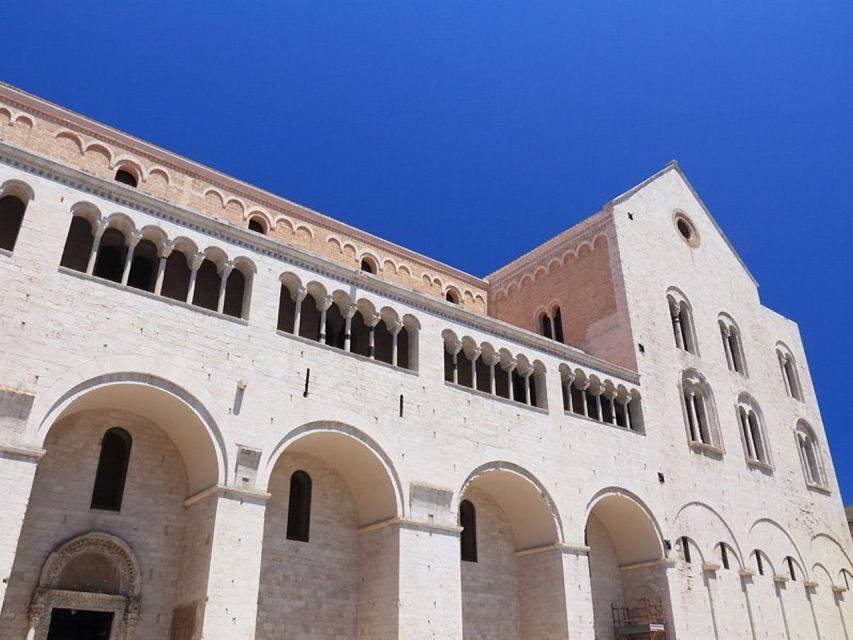
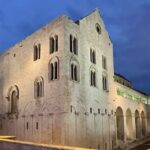
After San Sabino, you’ll move to the Basilica di San Nicola, described as “marvelous” in the way the tour sets it up. Here, the tour focuses on two things: architecture and the compelling story that connects the basilica to Bari’s most beloved Saint.
This part is valuable because it explains devotion as something communal, not just personal piety. The guide links the basilica to the people of Bari through the patron-saint connection, so the church feels less like a standalone monument and more like a living part of local identity.
In the past, people have praised guides such as Francesca for leading groups through the vicoli and into the basilica with professionalism and a lot of detail. That style is exactly what you want here: basilicas can be overwhelming if nobody explains what to look for, so having an art-history focused guide makes the visit feel sharper and more grounded.
Practical note for your visit: dress comfortably. You’ll want to stand and listen, and you might also want to take photos that include architectural lines, so comfortable posture matters.

The focaccia and Peroni tasting: why this small stop is a big deal
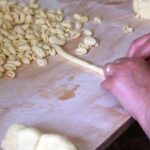
The tour includes a tasting of Bari’s flat bread (focaccia) plus Peroni beer. I like this because it treats food as part of the experience’s cultural thread, not a separate detour. In Bari, this kind of bite-and-sip tradition is part of how people mark the day, so it fits naturally after church stops and alley wandering.
You’ll eat and drink on the tour, and that’s it—no long meal required. This keeps the pace friendly for people who want history without committing to a full lunch plan.
If you’re thinking about value, this included tasting helps justify the price. You’re paying for a guided walk through key sites plus a cultural food moment. Transportation isn’t included, so you’re still responsible for getting yourself to the meeting point, but once you’re there, the core experience stays focused and efficient.
Pace and timing: 1.5 hours in the real Bari rhythm
A 1.5-hour duration means the guide has a specific rhythm: start at Piazza del Ferrarese, move across key squares, enter Bari Vecchia, reach Cattedrale di San Sabino, then finish at Basilica di San Nicola. You’ll spend time walking and listening, but it’s never so slow that you feel stuck.
This is a tour I’d recommend if you have limited time in Bari. It’s also a good “first day” plan because it helps you recognize the landmarks later when you go exploring on your own.
The main drawback is also simple: you can’t treat it like a casual stroll. Narrow lanes, standing during explanations, and the odd step here and there add up. Comfortable shoes are not optional—they’re the difference between enjoying the city and counting minutes.
Price and value: is $94 per person worth it?
At $94 per person for a 1.5-hour walking tour, the value comes from three things you actually get included: a guide, entrance-free site coverage of major highlights, and the focaccia + Peroni tasting.
You’re also getting language support options (Spanish, Italian, English, French) and interpreter help where needed. That matters because it can turn a “you can follow along somehow” experience into something genuinely understandable.
To decide if it’s worth it for you, think about what you prefer:
- If you like art-history explanations and want someone to point out what to notice, the price starts to make sense fast.
- If you’d rather wander without structure and you don’t care about guided storytelling, you might feel the cost more than the content.
If your goal is to sample Bari’s most emblematic old-town highlights in a compact time window, this is a strong match.
Who this tour suits best (and who might want a different plan)
This works well for:
- People who enjoy architecture and religious sites and want context, not just locations.
- First-time visitors to Bari who want a smart route through the old town.
- Groups that need language flexibility, since multiple languages are supported and interpreter assistance is available.
It might not suit you as much if:
- You dislike walking on narrow streets.
- You’re looking for long free time at each stop. This tour is efficient; it doesn’t linger for hours in one place.
What to bring so the experience stays comfortable
Here’s what you should pack for this walk:
- Comfortable shoes (seriously)
- Umbrella (light rain is part of the plan)
- Camera
- Water
- Comfortable clothes and weather-appropriate layers
Because you’ll be moving through alleys and standing near churches, being comfortable with your feet and your weather layer will make the whole thing more enjoyable.
Should you book the Bari alleys exploration tour?
If you want Bari’s old town with a guide who can explain art and architecture, and you like food traditions more than packaged tourist meals, I think this is an easy yes. The route hits the major anchors—Piazza del Ferrarese, Piazza Mercantile, Bari Vecchia, Cattedrale di San Sabino, and Basilica di San Nicola—without turning into a long commitment.
Book it if you value structure, good storytelling, and an included tasting that feels genuinely local. Skip it if you want a totally self-directed wander with lots of downtime. Either way, wear good shoes. Bari rewards slow looking, but it also demands you walk well.
FAQ
Where does the tour start?
The guide waits next to the information totem in front of the excavation in Piazza del Ferrarese.
How long is the Bari alleys tour?
It lasts about 1.5 hours.
What does the price include?
The tour includes a walking tour, a guide, and a tasting of focaccia plus Peroni beer.
Is transportation included?
No. Transportation is not included, so you’ll need to get to the meeting point on your own.
What languages is the tour offered in?
The live guide is available in Spanish, Italian, English, and French.
What should I bring?
Bring comfortable shoes, an umbrella, a camera, water, and weather-appropriate clothing.
Does the tour run in bad weather?
It runs in the case of light rain. The tour takes place as long as conditions are light rain rather than something more extreme.